8 incredible pictures of Glasgow’s lost landmarks
Glasgow’s most recognisable and stunning buildings that no longer exist
Glasgow is renowned around the world for its magnificent architecture, much of which continues to define the city’s streetscape today.
Yet, over the years, the city has lost many remarkable buildings that once played an important role in Glasgow’s history and daily life, leaving permanent gaps in its architectural landscape.
We’re taking a look back at some of the most striking buildings Glasgow has lost over the decades. Protecting our architectural heritage is vital to preserving the character and identity of our cities, rather than allowing historic skylines to be replaced by uninspiring, generic glass developments.
It is only in more recent decades that the importance of conserving historic buildings has gained widespread recognition.
During the 19th and 20th centuries, Glasgow Corporation was often quick to tear down some of the city’s most beautiful Gothic and Victorian landmarks – decisions that have since become a source of considerable regret.
Here are eight incredible pictures of Glasgow’s lost landmarks.
McNeill Street Bakery
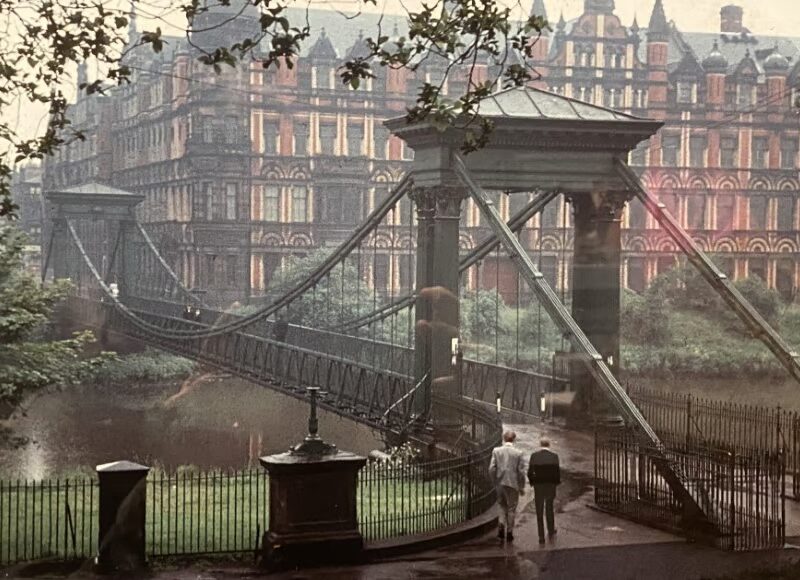
The imposing United Co-Operative Baking Society building on McNeil Street was constructed in 1886, standing as a magnificent example of grand Victorian architecture. Its striking design, which bore a remarkable resemblance to an elaborate French chateau, made it an impressive and distinctive landmark. Originally built to serve the Co-operative movement, the vast structure later became a working bakery,. Despite its grandeur and historical significance, the building eventually fell victim to redevelopment and changing times, and was demolished in 1977, bringing an end to the story of one of McNeil Street's most remarkable architectural landmarks.
Eric Watt/Glasgow MuseumsThe Apollo
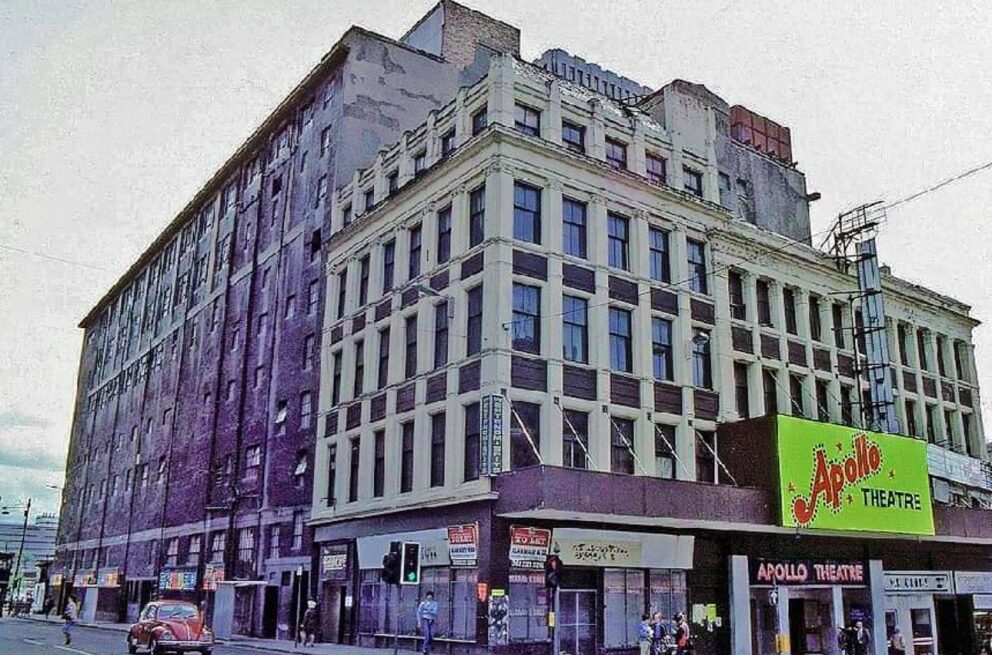
The Apollo, originally known as Green’s Playhouse, once stood on Renfrew Street, occupying the site now associated with Omniplex. During the 1970s and early 1980s, it became one of Glasgow’s most celebrated and busiest live music venues, attracting some of the biggest names in the music industry. Legendary performers including Johnny Cash, David Bowie and The Rolling Stones graced its stage, helping to establish the Apollo as an important part of Glasgow’s musical heritage. Sadly, the venue’s story came to an abrupt end following a devastating fire that left the building structurally unsafe. Despite efforts to preserve it, the once-famous landmark was demolished in September 1987.
The Glasgow ChroniclesSt Enoch Railway Station
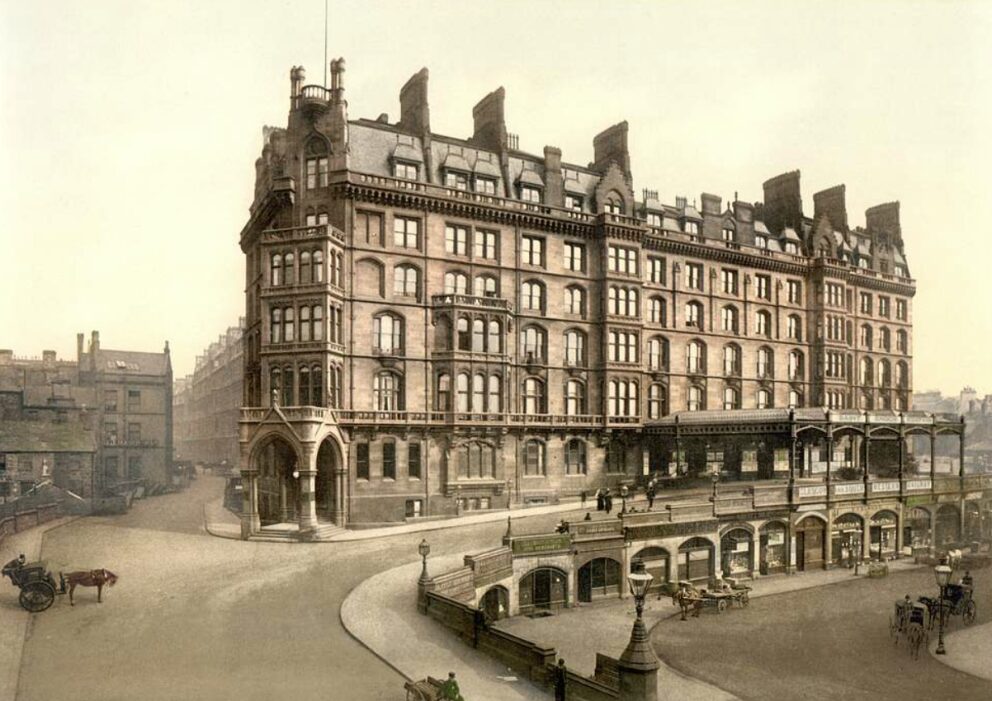
The magnificent St Enoch Station Hotel stood behind the grand St Enoch railway terminus and was regarded as one of the finest examples of Glasgow’s Victorian architecture. An extraordinary building, its elaborate design, ornate detailing and imposing presence made it a true architectural masterpiece and a prominent feature of the city centre. For many decades, the hotel formed an important part of Glasgow’s streetscape, reflecting the grandeur and confidence of the Victorian era. However, as the city continued to change, the hotel’s days were numbered. In 1976, the beautiful building was demolished, marking the loss of another significant piece of Glasgow’s architectural heritage. The site was subsequently redeveloped to make way for the St Enoch Shopping Centre.
Library of Congress via Picryl.comUnion Corner
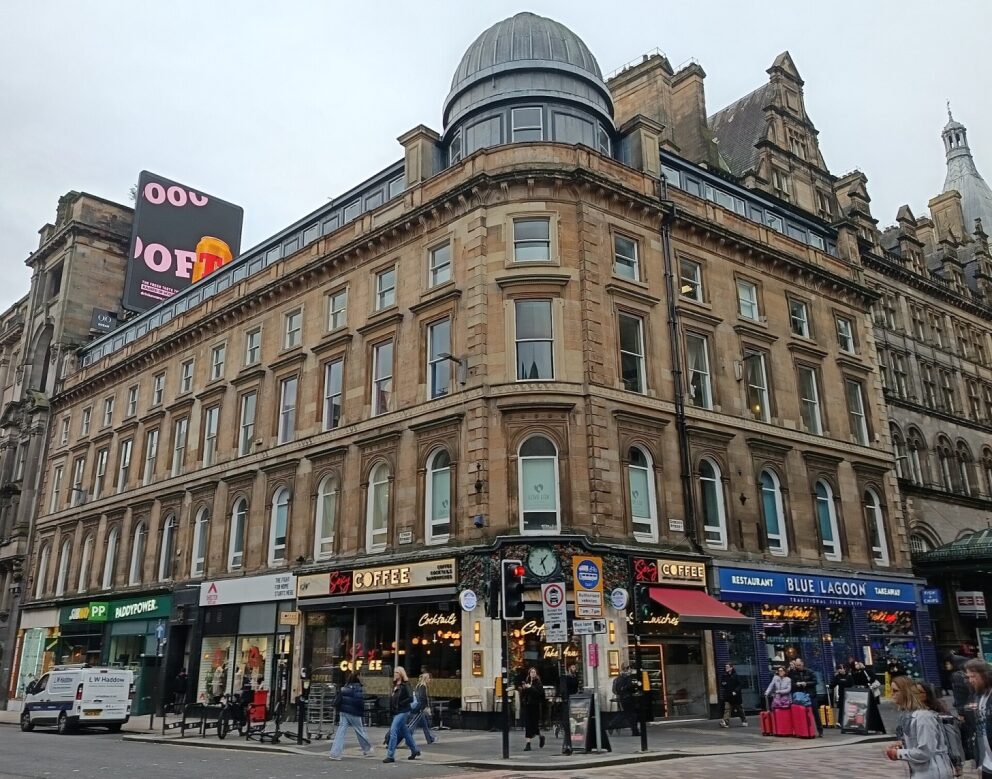
Union Corner, a historic landmark at Glasgow Central Station, dated back to 1851 and was a significant part of the city’s Victorian architectural heritage. The B-listed building stood for more than 170 years before its story came to a tragic end following a devastating fire that broke out at a vape shop on Union Street. As the flames rapidly spread through the adjoining buildings, the historic structure became engulfed in the blaze. Despite efforts to tackle the fire, the building eventually collapsed several hours later, leaving behind a scene of destruction and marking the sudden loss of another important piece of Glasgow’s architectural history.
Wikki CommsTait Tower
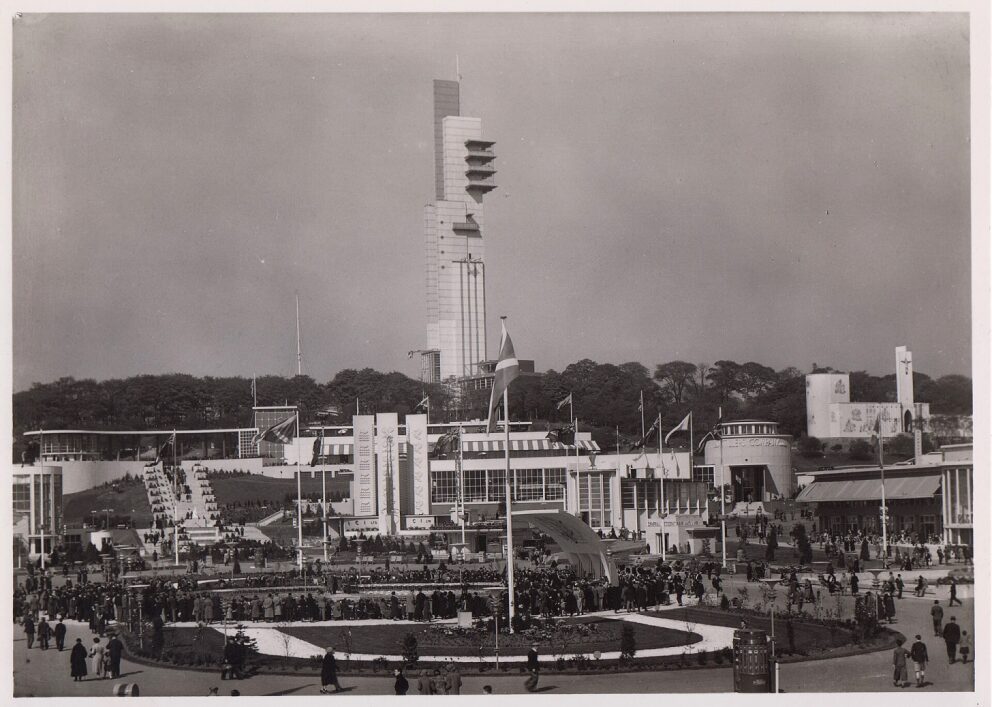
The striking Art Deco Tower of Empire, also known as Tait Tower after its renowned architect, Thomas S. Tait, was one of the most remarkable structures ever built in Glasgow. Constructed as the centrepiece of the 1938 Empire Exhibition at Bellahouston Park, it proudly stood as Scotland’s tallest building at the time. Its sleek, modernist design made it an extraordinary sight on the Glasgow skyline, while its three observation decks offered visitors spectacular panoramic views across the surrounding landscape. Such was its immense height that the tower could reportedly be seen from more than 100 miles away on a clear day. Despite becoming one of the exhibition’s most memorable attractions, the magnificent structure was never intended to remain permanently. In a particularly sad end to its short history, Tait Tower was dismantled and demolished within a year of the exhibition closing.
Wiki CommsKinning Park Co-operative Society
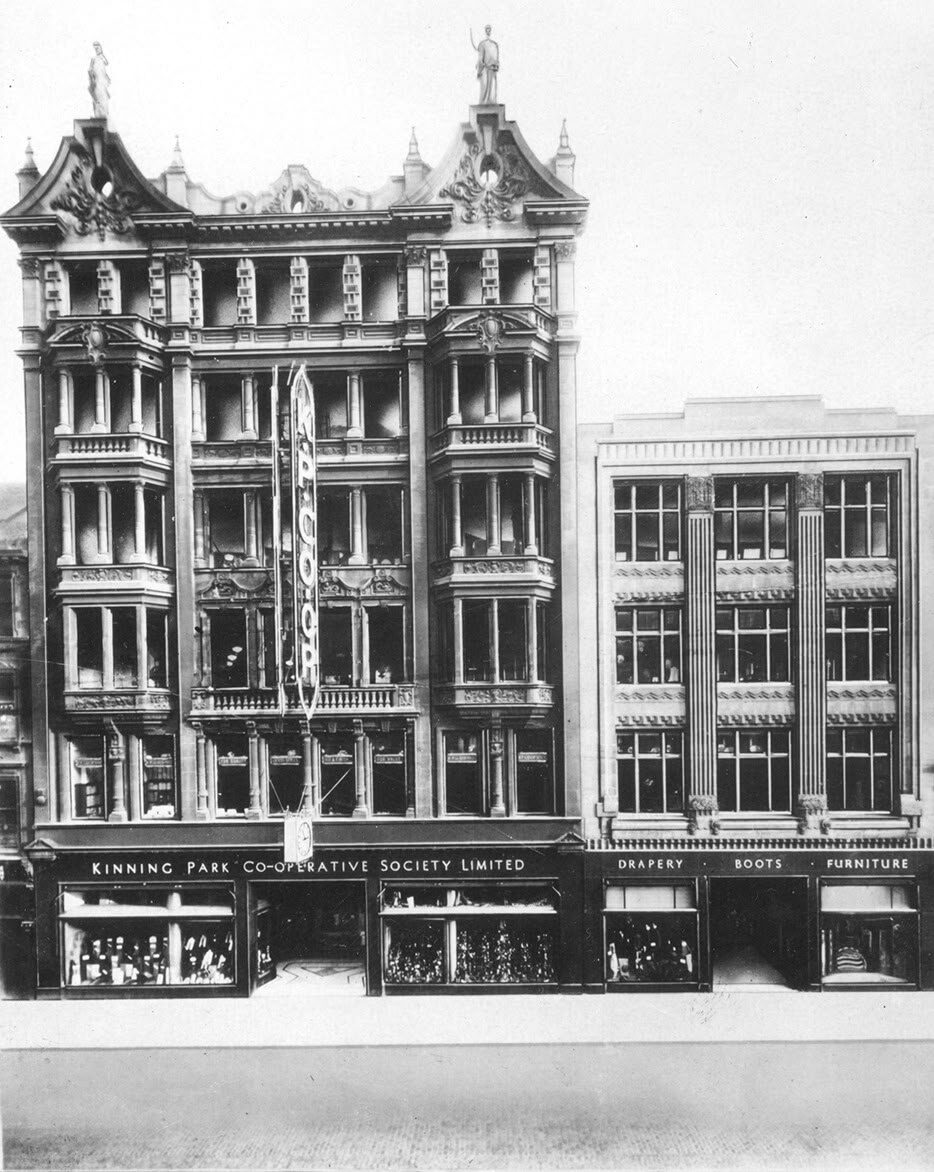
The Kinning Park Co-operative Society once occupied an impressive group of three buildings on Bridge Street, constructed in 1902. The striking development became a prominent feature of the local streetscape and was regarded as the tallest building in the area, standing as a symbol of the importance and influence of the Co-operative movement in Glasgow. For many years, the buildings were a familiar landmark in the heart of Kinning Park. However, their story eventually came to an end after they suffered significant fire damage during the 1970s.
Glasgow City ArchivesQueen's Park UP Church
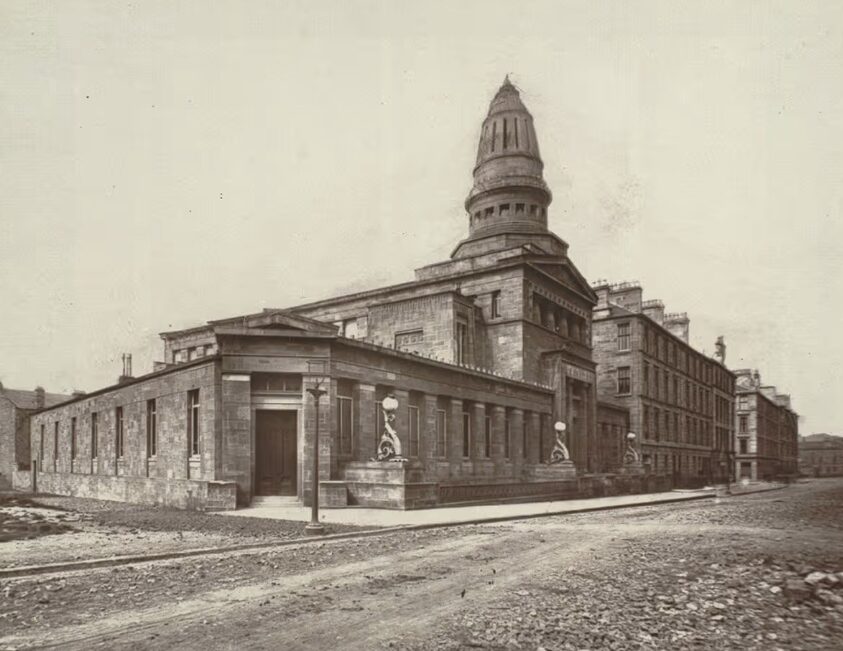
Designed by the renowned Glasgow architect Alexander ‘Greek’ Thomson, the church was a remarkable example of his distinctive architectural style and formed an important part of the city’s built heritage. Sadly, its story came to a tragic end during the Second World War when a German bomb struck the building in 1943, causing such extensive damage that it was subsequently demolished.
Burrell Collection Photo LibraryGrand Hotel
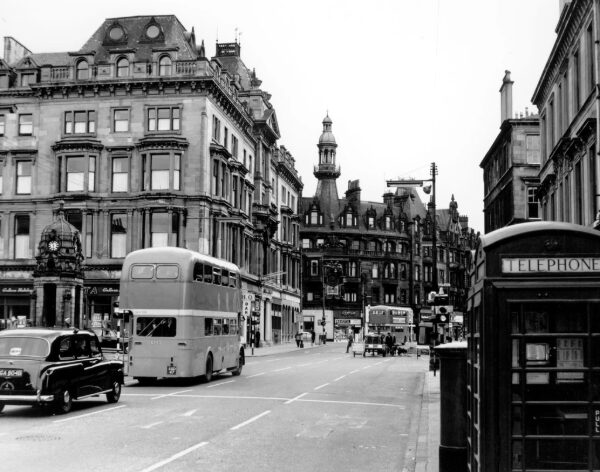
Glasgow’s Grand Hotel, which should not be confused with the famous Grand Central Hotel that still stands above Glasgow Central Station, was once another notable feature of the city’s architectural landscape. Sadly, the historic hotel was demolished in 1969 as part of the major redevelopment required to make way for the M8 motorway. The construction of the motorway had begun in 1965 and would continue for another 15 years, finally reaching completion in 1980.
Glasgow City Archives