Gordon Ramsay to face rival chef Marco Pierre White in new television series
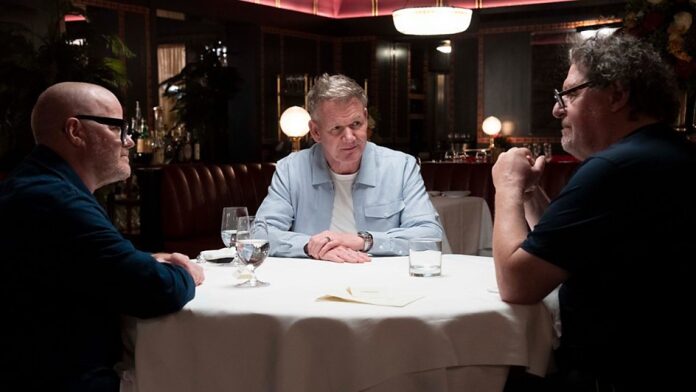
The Rise of the Rockstar Chef is a landmark new three-part series charting the rise of three of the UK’s most influential culinary figures, Marco Pierre White, Gordon Ramsay and Heston Blumenthal.
Set against the backdrop of the late 90s with social and cultural change, the episodes will explore how the chefs’ unwavering ambition and intense rivalry reshaped the restaurant industry and redefined what it meant to be a fine dining chef, ultimately inspiring a generation around the world.
Featuring candid testimony from the trio themselves, as well as those who witnessed the fights, fall-outs and feuds first-hand, including renowned food critics, maîtres d’ and former commis chefs, the story culminates in an extraordinary on-screen reunion that brings the three chefs together for the first time in decades to revisit defining moments and confront the legacy of an era that reshaped British dining.
Catherine Catton, in her capacity of Head of Commissioning for Factual Entertainment and Events, comments: “Decades ago, Marco, Gordon and Heston ripped up the rule-book of British fine dining and changed the world of restaurants forever. I’m delighted they’re reuniting to bring BBC audiences the truly extraordinary story behind their fierce rivalry, uncompromising ambition and, at times, truly outrageous antics.”
Lisa Edwards, Chief Creative Officer and Executive Producer, Studio Ramsay Global, who made the show for the BBC, comments: “Nineties and noughties nostalgia is at an all time high for both those of us who were there and those that weren’t - the heady mix of an uprising in fashion, politics & music makes it a decade like no other. But there was another rock and roll revolution happening in the UK.
“It was the decade that really put British food on the map led by the original Rock Star Chefs, Marco Gordon & Heston. Its the story of rivalry and the pursuit of perfection where the real heat was not just in the kitchen!”
The relationship between Gordon Ramsay and Marco Pierre White began as one of mentor and apprentice before developing into one of the most bitter rivalries in British cooking.
Ramsay was born in Johnstone, Renfrewshire, in 1966, although he was largely brought up in Stratford-upon-Avon in England. After abandoning hopes of becoming a professional footballer, the Scottish-born chef entered the demanding world of London restaurants. One of his most important early jobs was at Harveys in Wandsworth, where White was building a reputation as Britain’s most brilliant and intimidating young chef.
White became Ramsay’s mentor. His kitchen was fiercely disciplined, volatile and driven by the pursuit of Michelin stars. Ramsay later acknowledged White’s enormous influence on his ambition, cooking and management style.
Their relationship was difficult from the beginning. White famously reduced the young Ramsay to tears during a kitchen confrontation. White’s version was that he shouted at Ramsay after he had done something wrong and Ramsay broke down. Ramsay has since joked that White made many of his chefs cry. White’s dry retort was “he made himself cry”. The incident became symbolic of their intense relationship.
Despite their clashes, White continued to support Ramsay. He later helped him secure the head chef position at Aubergine in Chelsea, where Ramsay earned two Michelin stars. However, the pair eventually became enemies.
The most extraordinary chapter concerned the disappearance of Aubergine’s reservation book in 1998. According to a later account, a man arrived on a motorbike, entered the restaurant and took the book with details of the restaurant’s top customers. Ramsay initially expressed the suspicion that Marco Pierre White was responsible and wanted to sabotage the restaurant. White denied any involvement.
In a 2007 interview with The New Yorker, Ramsay said that he had arranged for the biker to take the book and had deliberately blamed White. Ramsay also claimed that the episode prompted Aubergine’s owners to cut off contact with White and attempt to rebuild their relationship with him.
Heston Blumenthal became directly involved in the feud through an infamous encounter at The Fat Duck, his restaurant in Bray. White arrived for lunch and discovered Ramsay was also dining there. White instructed Blumenthal to remove Ramsay. Ramsay confronted his former mentor, reportedly insulting him before leaving, while an embarrassed Blumenthal found himself caught between two of Britain’s most combustible chefs.
Blumenthal was not, as has sometimes been claimed, another White protégé. He publicly rejected suggestions that he had trained under White. Instead, the largely self-taught Blumenthal represented a different branch of the British restaurant revolution: scientific, experimental and theatrical rather than rooted in White’s confrontational classical kitchen culture.
The three men remain linked as chefs who transformed British fine dining into popular entertainment. That shared history is now being revisited through the documentary that appears to have helped quieten decades of hostility.
The Rise of the Rockstar Chef is a landmark new three-part series charting the rise of three of the UK’s most influential culinary figures, Marco Pierre White, Gordon Ramsay and Heston Blumenthal.
Set against the backdrop of the late 90s with social and cultural change, the episodes will explore how the chefs’ unwavering ambition and intense rivalry reshaped the restaurant industry and redefined what it meant to be a fine dining chef, ultimately inspiring a generation around the world.
Featuring candid testimony from the trio themselves, as well as those who witnessed the fights, fall-outs and feuds first-hand, including renowned food critics, maîtres d’ and former commis chefs, the story culminates in an extraordinary on-screen reunion that brings the three chefs together for the first time in decades to revisit defining moments and confront the legacy of an era that reshaped British dining.
Catherine Catton, in her capacity of Head of Commissioning for Factual Entertainment and Events, comments: “Decades ago, Marco, Gordon and Heston ripped up the rule-book of British fine dining and changed the world of restaurants forever. I’m delighted they’re reuniting to bring BBC audiences the truly extraordinary story behind their fierce rivalry, uncompromising ambition and, at times, truly outrageous antics.”
Lisa Edwards, Chief Creative Officer and Executive Producer, Studio Ramsay Global, who made the show for the BBC, comments: “Nineties and noughties nostalgia is at an all time high for both those of us who were there and those that weren’t - the heady mix of an uprising in fashion, politics & music makes it a decade like no other. But there was another rock and roll revolution happening in the UK.
“It was the decade that really put British food on the map led by the original Rock Star Chefs, Marco Gordon & Heston. Its the story of rivalry and the pursuit of perfection where the real heat was not just in the kitchen!”
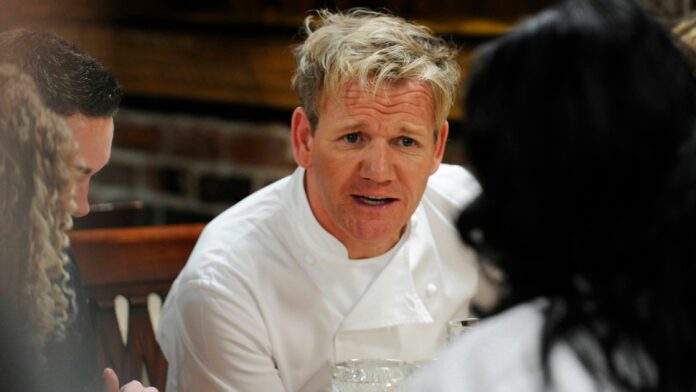
The relationship between Gordon Ramsay and Marco Pierre White began as one of mentor and apprentice before developing into one of the most bitter rivalries in British cooking.
Ramsay was born in Johnstone, Renfrewshire, in 1966, although he was largely brought up in Stratford-upon-Avon in England. After abandoning hopes of becoming a professional footballer, the Scottish-born chef entered the demanding world of London restaurants. One of his most important early jobs was at Harveys in Wandsworth, where White was building a reputation as Britain’s most brilliant and intimidating young chef.
White became Ramsay’s mentor. His kitchen was fiercely disciplined, volatile and driven by the pursuit of Michelin stars. Ramsay later acknowledged White’s enormous influence on his ambition, cooking and management style.
Their relationship was difficult from the beginning. White famously reduced the young Ramsay to tears during a kitchen confrontation. White’s version was that he shouted at Ramsay after he had done something wrong and Ramsay broke down. Ramsay has since joked that White made many of his chefs cry. White’s dry retort was “he made himself cry”. The incident became symbolic of their intense relationship.
Despite their clashes, White continued to support Ramsay. He later helped him secure the head chef position at Aubergine in Chelsea, where Ramsay earned two Michelin stars. However, the pair eventually became enemies.
The most extraordinary chapter concerned the disappearance of Aubergine’s reservation book in 1998. According to a later account, a man arrived on a motorbike, entered the restaurant and took the book with details of the restaurant’s top customers. Ramsay initially expressed the suspicion that Marco Pierre White was responsible and wanted to sabotage the restaurant. White denied any involvement.
In a 2007 interview with The New Yorker, Ramsay said that he had arranged for the biker to take the book and had deliberately blamed White. Ramsay also claimed that the episode prompted Aubergine’s owners to cut off contact with White and attempt to rebuild their relationship with him.
Heston Blumenthal became directly involved in the feud through an infamous encounter at The Fat Duck, his restaurant in Bray. White arrived for lunch and discovered Ramsay was also dining there. White instructed Blumenthal to remove Ramsay. Ramsay confronted his former mentor, reportedly insulting him before leaving, while an embarrassed Blumenthal found himself caught between two of Britain’s most combustible chefs.
Blumenthal was not, as has sometimes been claimed, another White protégé. He publicly rejected suggestions that he had trained under White. Instead, the largely self-taught Blumenthal represented a different branch of the British restaurant revolution: scientific, experimental and theatrical rather than rooted in White’s confrontational classical kitchen culture.
The three men remain linked as chefs who transformed British fine dining into popular entertainment. That shared history is now being revisited through the documentary that appears to have helped quieten decades of hostility.