Inside the spectacular Scottish estate bought by Scotland’s richest man
One of Scotland’s most spectacular country estates has a new owner after billionaire Anders Holch Povlsen added Kinross House to his vast portfolio of Scottish properties.
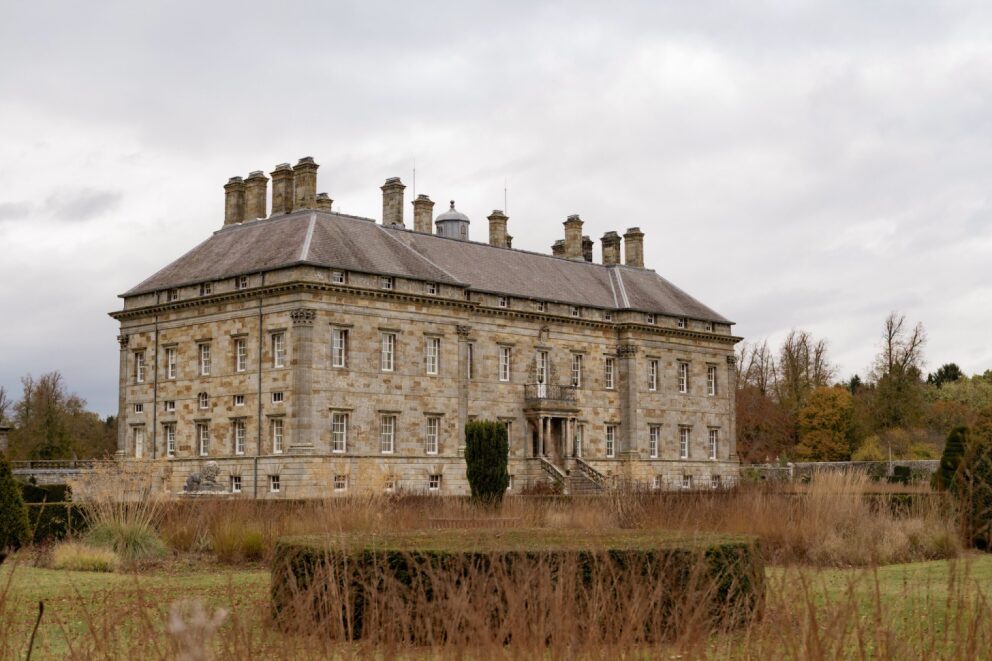
Kinross House
Kinross House EstateThe Danish businessman, regarded as Scotland’s richest man and its largest private landowner, has acquired the historic estate on the western shore of Loch Leven through his WildLand business.
The multi-million-pound deal includes the Kinross House Estate, Loch Leven and Castle Island, home to the ruins of Lochleven Castle, where Mary Queen of Scots was famously imprisoned. The purchase price has not been disclosed.
It gives Povlsen control of a remarkable property combining one of Scotland’s finest classical houses, formal gardens, woodland, a vast freshwater loch and a location at the centre of more than 700 years of Scottish history.
Kinross House sits at the end of a tree-lined avenue within a 100-acre estate, its gardens stretching towards Loch Leven and a carefully framed view of the castle island beyond.
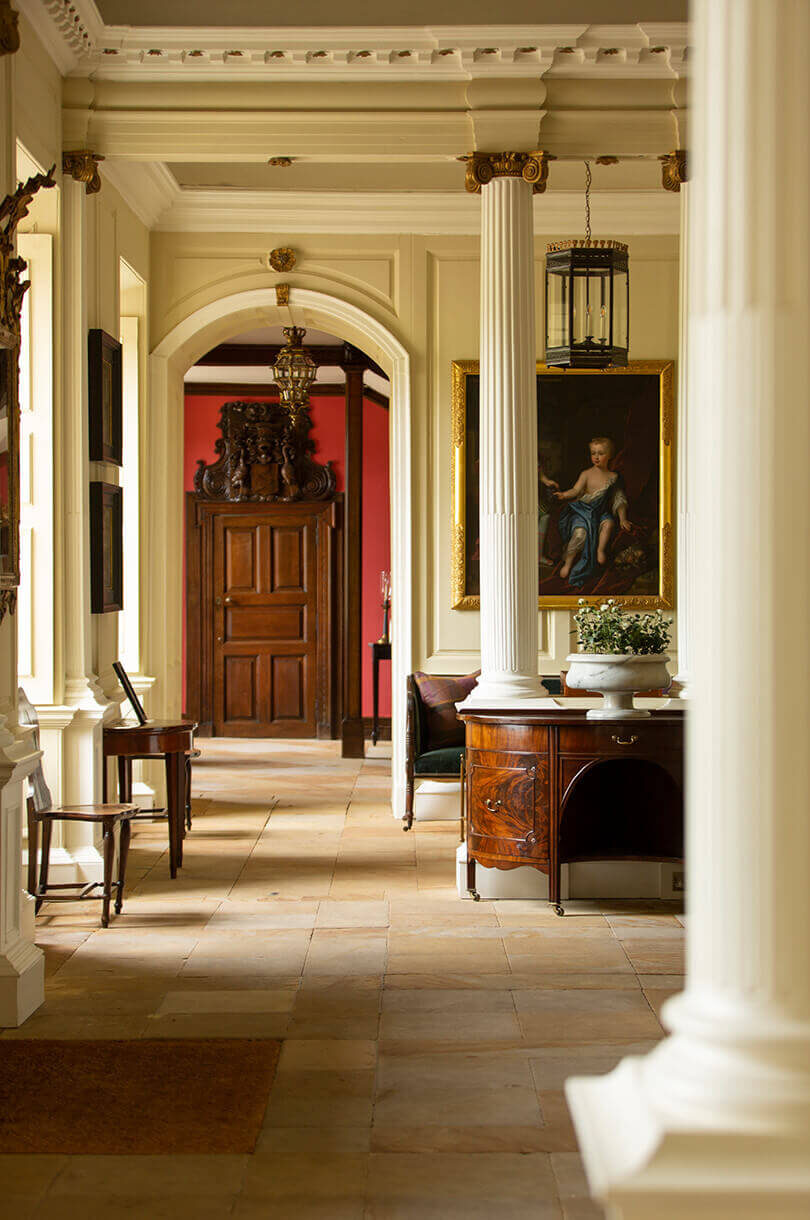
Tatler described it as "perhaps the most lavish house in Scotland"
Kinross House EstateThe Category A-listed mansion was designed by Sir William Bruce, one of Scotland’s most important architects, as his own home.
Work on the gardens began in 1683 before construction of the house started around 1684-85. Historic Environment Scotland describes Kinross House as the “first wholly Classic building in Scotland”.
Bruce designed the house and gardens around a powerful east-west axis, placing the ruins of Lochleven Castle directly in the view from the mansion.
The result means visitors looking through the house and across its formal gardens see the medieval castle sitting almost precisely at the end of the vista across the water.
Historic Environment Scotland rates the designed landscape as having “outstanding” artistic, historical, architectural and nature conservation interest.
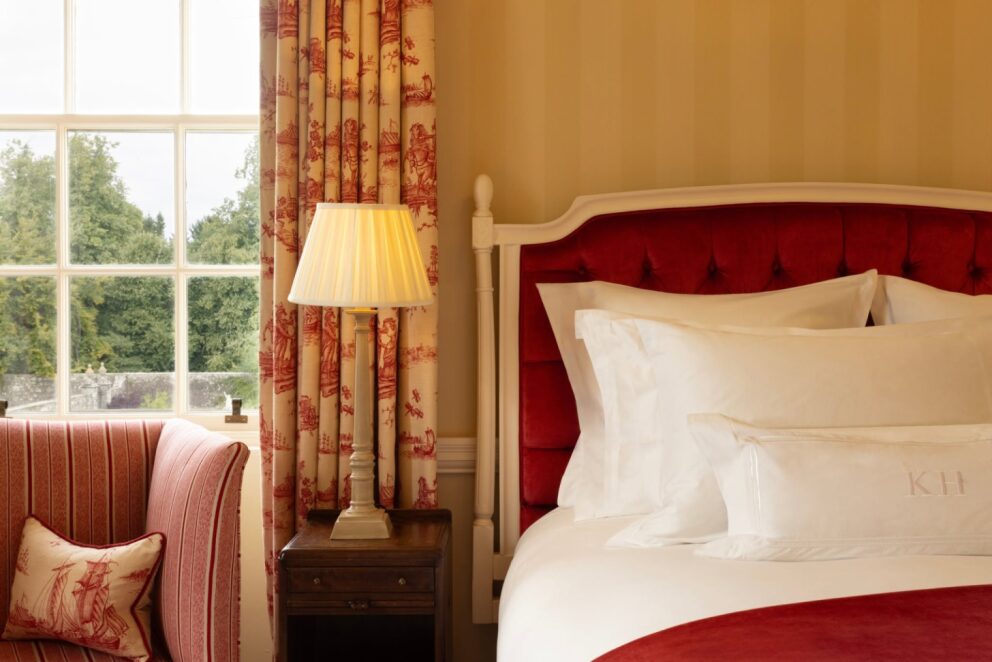
Inside Kinross House
Kinross House EstateThe house itself contains 14 individually designed en-suite bedrooms and can accommodate 28 guests.
Its grand reception rooms include a Garden Room, drawing rooms, formal dining room and a whisky library, while bedrooms range from four-poster rooms to large king-size suites overlooking the gardens and loch.
Guests can also stay in the neighbouring Coach House, a converted 17th-century stable complex which predates the main mansion.
It provides another ten bedrooms alongside a double-height baronial dining hall, Tartan Library and private spa with treatment rooms, a hydrotherapy pool and sauna.
Together, the buildings can accommodate up to 48 overnight guests in 24 bedrooms.
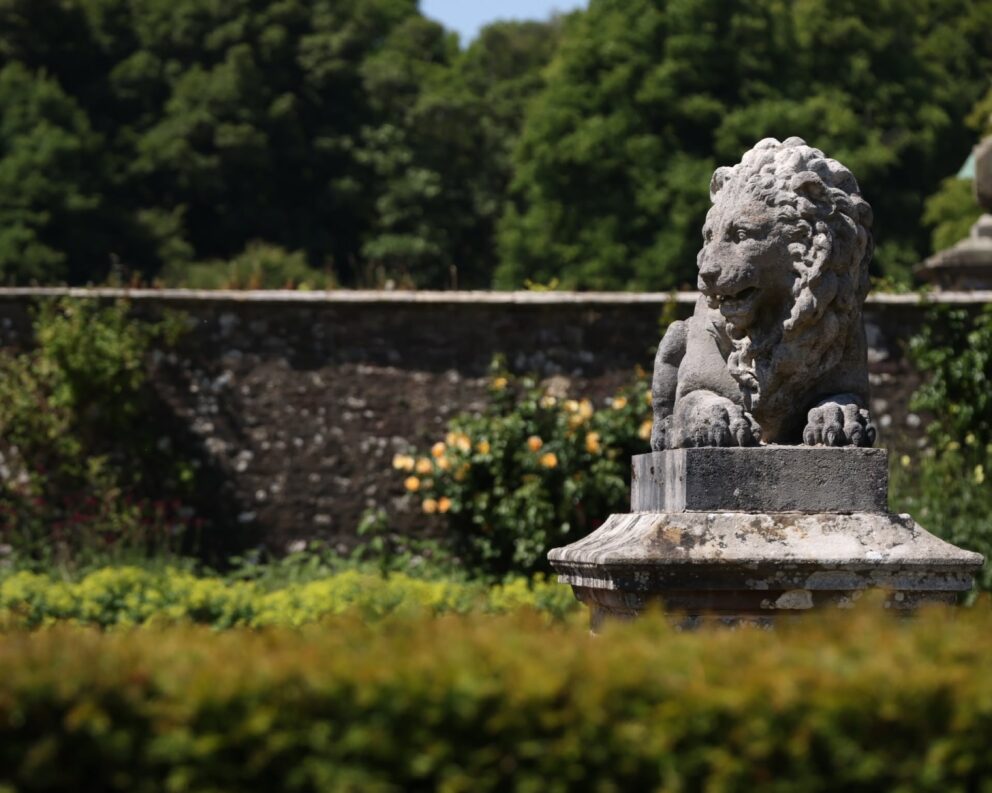
"Kinross House is a celebration of Scottish history, heritage, culture, and nature."
Kinross House EstateOutside, manicured lawns, formal terraces, woodland walks and walled gardens lead towards Loch Leven.
The gardens were originally conceived by Bruce in the late 17th century, with their geometry and central sightline towards Castle Island forming a fundamental part of the design.
They were extensively restored after businessman Donald Fothergill bought Kinross House in 2011 and embarked on a major renovation of the estate.
The restoration of the house was completed in 2013 and won the Historic Houses Association and Sotheby’s UK Restoration Award that year.
Perhaps the estate’s most extraordinary feature lies beyond the gardens.
Loch Leven covers more than 4,000 acres, with Castle Island and the ruins of Lochleven Castle sitting just offshore from Kinross House.
The castle’s surviving tower house dates from the 14th century and is one of the oldest in Scotland.
Mary Queen of Scots was imprisoned there in 1567 following her surrender at Carberry Hill.
During almost a year on the island, Mary was forced to abdicate in favour of her infant son James VI. She eventually escaped in May 1568 before fleeing to England, never returning to Scotland.
Robert the Bruce was also among the castle’s royal visitors centuries earlier.
Kinross House remained in the Montgomery family for generations before Fothergill acquired it in 2011 and transformed it into an exclusive-use luxury destination.
It has since become a venue for private stays, weddings and celebrations, with the estate offering everything from fishing and golf to spa treatments and private dining.
Its acquisition gives Povlsen another significant property to add to a Scottish landholding already estimated at more than 220,000 acres.
The Bestseller fashion group owner began building his Scottish portfolio with the purchase of the 42,000-acre Glenfeshie Estate in the Cairngorms in 2006.
His other properties include Aldourie Castle on Loch Ness, while WildLand now operates a collection of castles, lodges, hotels, cottages and wilderness retreats across the Highlands.
Povlsen has an estimated fortune of around £8.2 billion, generated through his family’s Bestseller fashion business and investments including stakes in ASOS, Zalando and Klarna.
WildLand said the intention is to preserve Kinross House.
Joe Dunn, from WildLand, said: “Our ambition is not to put our own stamp on Kinross House Estate, but to be good custodians of what is already there – to protect its character, care for its people, buildings, landscapes and wildlife, and contribute to preserving all this for generations to come.”
He added that keeping the house “alive and welcoming” would be an important part of its future, allowing guests to continue staying at the historic estate.
For Povlsen, it adds another remarkable Scottish landmark to a property empire already stretching across huge areas of the Highlands – this time with a palace-like mansion, a loch and one of the most famous castles in Scottish history attached.