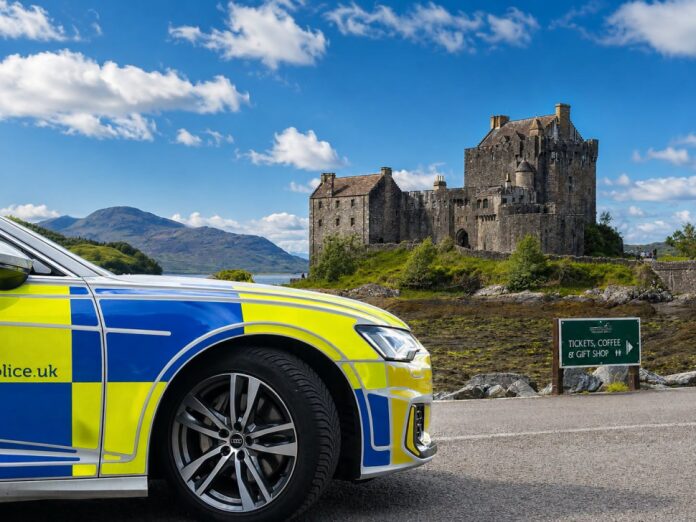
Road deaths rise sharply in the Highlands as 21 people killed in a year
Road deaths have risen in the Highlands, with 21 people killed in collisions in the space of a year. New Police Scotland figures, published today, show the number of fatalities increased substantially during the reporting period from 1 April 2025 to 31 March 2026.
There were 21 road deaths across the Highland area during 2025/26, compared with 14 during the previous year.
The latest total is also above both the three-year and five-year averages for the area. Eight motorcyclists died during the reporting period – five more than in the previous year.
The figures are contained in a Police Scotland performance report presented to Highland Council, examining progress against the Highland Local Policing Plan.
The year also included one collision in which three people died and two separate collisions in which two people were killed.
Police said road safety remained a priority, with enforcement and preventative work taking place across the Highland road network.
The figures come amidst an increase in the number of motorists being caught committing a range of road offences.
Speeding offences increased from 628 in 2024/25 to 911 during 2025/26. Drink and drug-driving offences rose from 620 to 719, while the number of mobile phone offences increased from 155 to 199.
The Highland road network presents particular safety challenges because of its size, large number of rural roads and substantial increase in traffic associated with visitors during the tourism season.
Police Scotland continues to operate Operation CEDAR – Challenge, Educate, Detect and Reduce – which brings agencies together to carry out enforcement and preventative work intended to reduce casualties.
Motorcycle safety work includes Rider Refinement North, a one-day course involving police motorcyclists and Institute of Advanced Motorists observers.
Participants take part in demonstration and observed rides and receive feedback intended to improve their riding and awareness of risk.
Police also run Driver Engagement North, which works with older motorists and their families to encourage conversations about whether people remain fit to drive.
Police said high-visibility patrols, interaction with road users and enforcement would continue as part of efforts to reduce the number of people killed or seriously injured on Highland roads.
The report was presented by Chief Superintendent Dave Ross, Divisional Commander, who says in his introduction: ” We have maintained a proactive presence on Highland roads through enforcement activity, partnership working to improve road safety and thorough investigation of road traffic collisions. This sustained approach is reflected within the performance data presented in this report.
“Protecting vulnerable road users remains a key priority. Motorcycle safety has continued to receive significant attention through targeted engagement and enforcement activity, complemented by our Visitor Engagement programme delivered across key tourist routes during the busy visitor season.”
Road deaths have risen in the Highlands, with 21 people killed in collisions in the space of a year. New Police Scotland figures, published today, show the number of fatalities increased substantially during the reporting period from 1 April 2025 to 31 March 2026.
There were 21 road deaths across the Highland area during 2025/26, compared with 14 during the previous year.
The latest total is also above both the three-year and five-year averages for the area. Eight motorcyclists died during the reporting period – five more than in the previous year.
The figures are contained in a Police Scotland performance report presented to Highland Council, examining progress against the Highland Local Policing Plan.
The year also included one collision in which three people died and two separate collisions in which two people were killed.
Police said road safety remained a priority, with enforcement and preventative work taking place across the Highland road network.
The figures come amidst an increase in the number of motorists being caught committing a range of road offences.
Speeding offences increased from 628 in 2024/25 to 911 during 2025/26. Drink and drug-driving offences rose from 620 to 719, while the number of mobile phone offences increased from 155 to 199.
The Highland road network presents particular safety challenges because of its size, large number of rural roads and substantial increase in traffic associated with visitors during the tourism season.
Police Scotland continues to operate Operation CEDAR – Challenge, Educate, Detect and Reduce – which brings agencies together to carry out enforcement and preventative work intended to reduce casualties.
Motorcycle safety work includes Rider Refinement North, a one-day course involving police motorcyclists and Institute of Advanced Motorists observers.
Participants take part in demonstration and observed rides and receive feedback intended to improve their riding and awareness of risk.
Police also run Driver Engagement North, which works with older motorists and their families to encourage conversations about whether people remain fit to drive.
Police said high-visibility patrols, interaction with road users and enforcement would continue as part of efforts to reduce the number of people killed or seriously injured on Highland roads.
The report was presented by Chief Superintendent Dave Ross, Divisional Commander, who says in his introduction: ” We have maintained a proactive presence on Highland roads through enforcement activity, partnership working to improve road safety and thorough investigation of road traffic collisions. This sustained approach is reflected within the performance data presented in this report.
“Protecting vulnerable road users remains a key priority. Motorcycle safety has continued to receive significant attention through targeted engagement and enforcement activity, complemented by our Visitor Engagement programme delivered across key tourist routes during the busy visitor season.”