
Shoppers across the UK have spent an extra £104 million on salmon over the past year, taking total sales to £1.65 billion as the Christmas shopping season approaches.
New figures show that more than 81,000 tonnes of salmon were sold in UK supermarkets in the 12 months to October, with sales volumes increasing by 3.8 per cent and their value rising by 6.8 per cent.
The growth comes despite an overall decline in fish sales, with volumes across the wider seafood market falling by 1.4 per cent.
Salmon now accounts for almost £1 in every £3 spent on fish in UK supermarkets and remains comfortably ahead of its nearest competitors, tuna and cod.
The latest figures, published by trade body Salmon Scotland, show that consumers are buying more salmon while turning away from some other traditional favourites.
Cod sales volumes fell by 15.5 per cent over the past year, while haddock declined by 10.7 per cent. Tuna recorded an increase of 4.7 per cent, although its total sales value of £514 million remains less than a third of salmon’s.

Fresh salmon performed particularly strongly, with sales worth £1.52 billion, an increase of 7 per cent. Volumes rose by 5.3 per cent.
Sales volumes of fresh natural salmon increased by 6.5 per cent, while average prices rose by just 0.2 per cent, indicating that growth has been driven largely by consumers buying more fish rather than price increases.
Smoked salmon, traditionally popular during the festive season, also recorded growth, with sales reaching £513 million, up 6 per cent, and volumes increasing by 3.6 per cent.
The figures cover all salmon sold in UK supermarkets, including some imported salmon, rather than Scottish-produced fish alone.
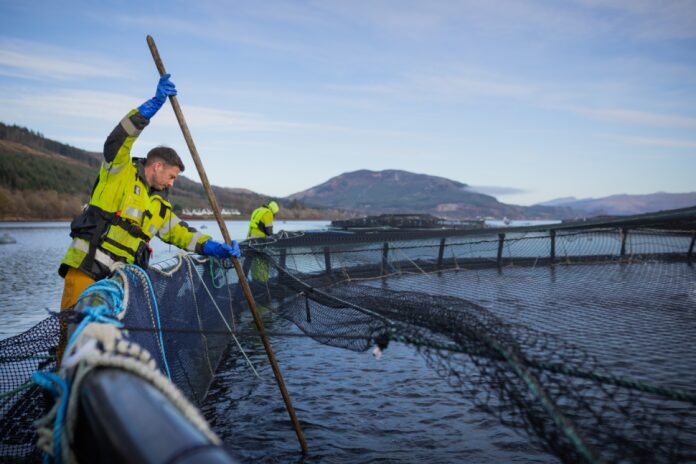
Scotland’s salmon farming industry is a major contributor to the country’s economy, with production concentrated around the west coast, Highlands and islands.
Scottish salmon is the UK’s largest food export, with international sales exceeding £800 million annually. The industry supports around 11,000 jobs and contributes £1 billion a year to the UK economy.
Tavish Scott, chief executive of Salmon Scotland, said: “These figures show just how popular salmon remains with shoppers across the UK.
“While sales volumes across the wider fish market are falling, more people are choosing salmon, whether for a healthy midweek meal or a special occasion.
“With Christmas approaching, Scottish salmon is a natural choice for festive celebrations, from smoked salmon starters to family dinners.
“The continued growth in demand is good news for consumers and for Scotland’s economy, supporting jobs and investment in the rural and coastal communities where our salmon is raised.
“Recent research from the University of Aberdeen has highlighted just how nutritious Scottish salmon is, providing vitamin D, omega-3 and high-quality protein. It’s another reason for people to enjoy it as part of a healthy, balanced diet.”
The sales figures follow research by the Rowett Institute at the University of Aberdeen examining the nutritional benefits of Scottish farmed salmon.
Researchers found that Scottish salmon provides essential nutrients including vitamin D, omega-3 fatty acids and high-quality protein.
The study also found that vitamin D3 levels in Scottish salmon samples were higher than those recorded in older UK and Norwegian data.
Vitamin D plays an important role in maintaining healthy bones, muscles and immune function, particularly during winter when reduced sunlight limits the body’s ability to produce it naturally.
The retail figures were compiled using Seafish and Nielsen Scantrack data for the 52 weeks ending 17 October 2026. They exclude restaurant sales, catering and exports.