One of Scotland’s most senior lawyers has agreed to act for free in a legal challenge over the handling of more than £600,000 donated to the SNP for a future independence referendum campaign.
Roddy Dunlop KC, Dean of the Faculty of Advocates, will represent Wings Over Scotland editor Stuart Campbell in a proposed judicial review over Police Scotland’s refusal to reopen an investigation into the money.
Campbell has raised £30,000 through crowdfunding to help meet the initial costs of bringing the case, reaching the target in less than three days. Dunlop will provide his services pro bono.
The dispute centres on money raised by the SNP through independence fundraisers, including campaigns in 2017 and 2019, which donors were told would be ring-fenced for a future referendum campaign.
More than £600,000 was raised, but the SNP later acknowledged that the money had been used as part of its wider expenditure. Party figures have previously argued that its general activities were directed towards the objective of securing Scottish independence.
The issue was among those examined during Operation Branchform, the long-running Police Scotland investigation into the SNP’s finances.
That investigation ultimately resulted in former SNP chief executive Peter Murrell pleading guilty to embezzling £400,310.65 from the party between August 2010 and October 2022.
Murrell was sentenced at the High Court in Edinburgh on 23 June to five years and three months in prison. Lord Young described his offending as a “calculated crime of dishonesty” involving a significant breach of trust.
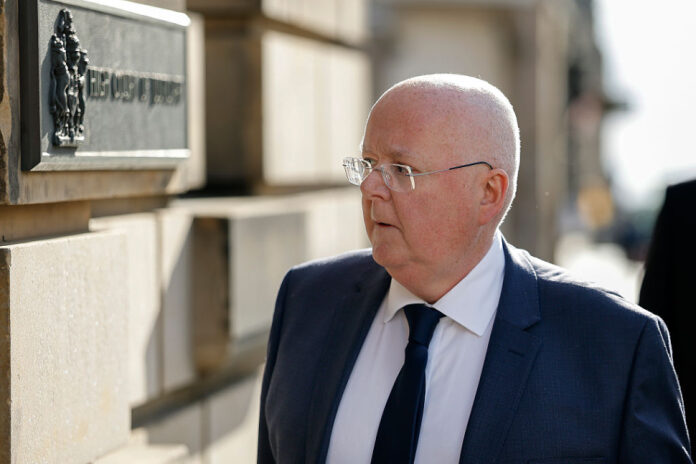
Peter Murrell
Former first minister Nicola Sturgeon and former SNP treasurer Colin Beattie were also arrested during Operation Branchform, but neither was charged. Police Scotland announced in March 2025 that its criminal inquiries into them had concluded and that they were no longer under investigation.
The separate controversy over the referendum donations returned to prominence earlier this year after First Minister John Swinney acknowledged that money raised for the referendum campaign had been used on other SNP expenditure.
During First Minister’s Questions on 4 June, Scottish Labour leader Anas Sarwar accused the party of having spent money that donors had been told was ring-fenced. Swinney defended the SNP and said the party itself had been the victim of Murrell’s criminal embezzlement.
Campbell subsequently sought a formal legal opinion from Dunlop over the referendum fund.
Dunlop concluded that, on the facts presented to him, a civil claim by donors for fraudulent breach of trust was “nigh on irresistible”. He said the specific trust created was for a referendum campaign and suggested donors could potentially seek repayment, interest and damages.
The SNP rejected the allegation, saying the issues surrounding the fund had been “fully explored” during the police investigation.
The party said it had been found to be the victim of Murrell’s embezzlement and said donors who wanted their contributions returned could request refunds. It said a small number had already done so.
Campbell’s lawyers later asked Police Scotland to reconsider the referendum fund allegations. Police Scotland has maintained that the issues were investigated during Operation Branchform and that there was no significant new information requiring the inquiry to be reopened. Correspondence from senior officers has said financial investigators, analysts and a forensic accountant examined the reported irregularities and that the circumstances were reported to the Crown Office and Procurator Fiscal Service.
The proposed judicial review would now ask the Court of Session to examine the lawfulness of Police Scotland’s decision not to investigate further.
A judicial review would not determine whether any individual had committed a crime or order a prosecution. Its role would be to consider whether the decision under challenge was reached lawfully. Permission is also required before a judicial review can proceed, with an applicant required to demonstrate sufficient interest and a real prospect of success.
Campbell said Dunlop’s decision to act without charging a fee demonstrated the seriousness with which his legal team regarded the issue.
The Crown Office said it would not comment on potential or threatened legal proceedings.
It added that Murrell had been prosecuted following an extensive investigation and said: “Decisions about prosecution in this case were taken independently by prosecutors and Crown Counsel on the evidence and in accordance with the law.”