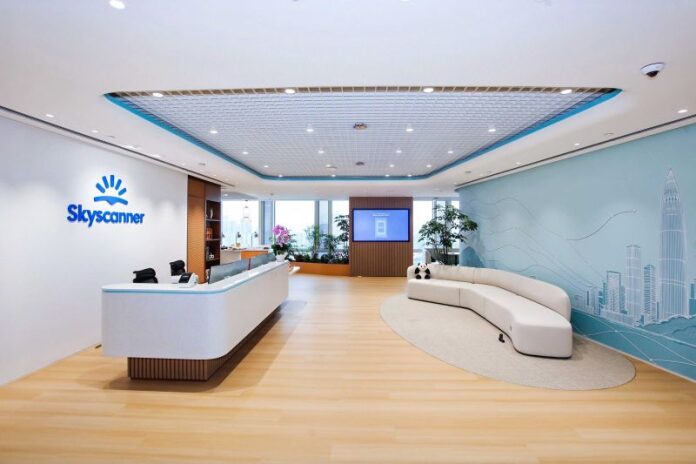
Scottish travel technology giant Skyscanner is planning to cut up to 150 jobs as artificial intelligence transforms the way people search for flights and book holidays.
The Edinburgh-founded company is proposing to reduce its global workforce by around 10 per cent, with software development and middle-management roles among those affected.
Changes are also expected across marketing, commercial, workplace and strategy teams. It remains unclear how many jobs will be lost in Scotland, where Skyscanner has offices in Edinburgh and Glasgow.
The announcement follows warnings from the company that Google’s growing use of artificial intelligence in search results is already affecting its business.
In submissions to the UK’s Competition and Markets Authority earlier this year, Skyscanner reported falling click-through rates from Google searches and increasing difficulty attracting visitors to its website.
It warned that Google’s AI Overviews and AI Mode were making it harder to generate revenue from its content, while raising concerns that Google was favouring its own Google Flights service over competing travel websites.
The company said Google Search had become a more expensive and less effective way of reaching customers, forcing it to spend more on advertising to maintain its visibility.
The restructuring also comes as growing numbers of holidaymakers turn to AI tools rather than traditional travel websites for inspiration.
Research published by travel industry association ABTA in October found that 14 per cent of consumers now use AI for holiday inspiration, compared with 5% in 2024. Among 25 to 34-year-olds, the figure rises to 29 per cent.
A Skyscanner spokesperson said: “Travel and the role of search are rapidly changing. To build for the future and increase velocity, we are proposing changes across the organisation.
“The proposals aim to clarify priorities and decision-making, remove barriers between teams, give people more autonomy, and focus on the opportunities ahead.”
The company has not said that artificial intelligence is directly replacing the roles being cut, describing the proposals as an attempt to simplify its operations and respond more quickly to changes in the industry.
A spokesperson added: “Our current structure has supported Skyscanner’s growth, but we need greater speed and flexibility in 2027 and beyond.”
Founded in Edinburgh in 2003, Skyscanner became one of Scotland’s most successful technology businesses before being acquired by Chinese travel group Trip.com in 2016 in a deal worth around £1.4 billion.
The company has maintained a Scottish presence, making the proposed redundancies a potentially important development for the country’s technology sector.