Some of Glasgow’s most interesting new places to eat are increasingly being found away from the traditional city centre restaurant and hospitality streets.
Neighbourhoods across the Southside, West End and East End have developed increasingly strong independent food scenes as operators contend with the cost of opening and running restaurants in central Glasgow.
Now Nick Watkins, founder of award-winning burger business El Perro Negro, has suggested there is a straightforward reason for the shift – lower rents and overheads.
Speaking on the latest episode of the Scran podcast, hosted by Rosalind Erskine, Watkins said independent operators with good concepts were increasingly looking beyond the city centre to make the numbers work.
“People that have got a good idea have basically just went further out,” he said.
He added that businesses were looking for “lower rents, less overheads” as they attempt to build sustainable operations.
Watkins knows the challenges of building an independent Glasgow food business first hand.
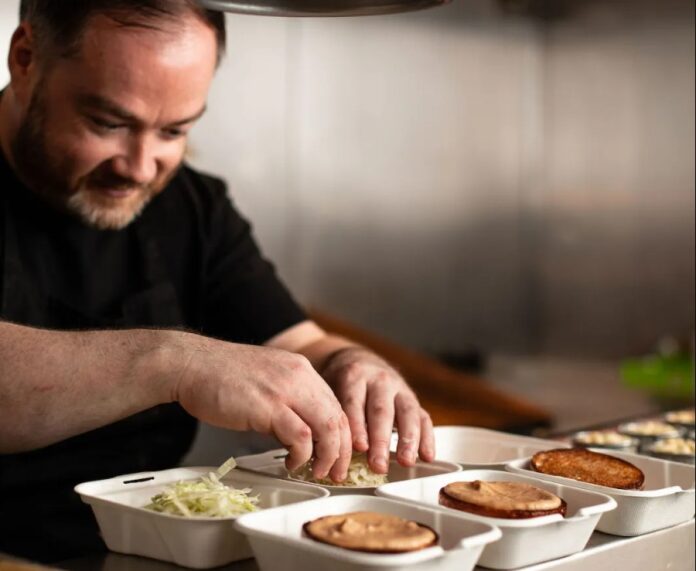
El Perro Negro began life as a pop-up, with Watkins recalling arriving with a cool box containing around 30 burgers. Demand grew rapidly, with subsequent pop-ups selling out within an hour.
The business went on to become one of Glasgow’s best-known burger restaurants, with Watkins twice winning the National Burger Awards with his Top Dog burger.
His comments point towards a wider change that has been taking place across Glasgow.
Strathbungo and Shawlands have developed particularly strong food and drink scenes, with independent restaurants and bars clustering around Pollokshaws Road and neighbouring streets.
Finnieston’s transformation into one of Glasgow’s principal dining districts demonstrated how quickly restaurants could establish a destination outside the traditional city centre. More recently, operators have looked further west towards Partick and east towards Dennistoun, while areas including Battlefield and Govanhill have attracted ambitious independent businesses.
A neighbourhood restaurant can potentially operate from a smaller property with lower occupancy costs while drawing repeatedly on customers living within walking distance. That attractive at a time when hospitality businesses are dealing with pressure from wages, energy, ingredients, business rates and other operating costs.
The city centre is not standing still. Investment in George Square and the surrounding streets is intended to improve the heart of Glasgow, while a number of new restaurants have continued to open around Buchanan Street and Merchant City.
The challenge is ensuring independent operators can afford to be part of a hospitality revival in the city centre rather than leaving the most prominent locations predominantly to large groups and national chains.
That matters because Glasgow’s neighbourhood restaurant boom has shown what can happen when relatively small independent businesses are able to take chances.