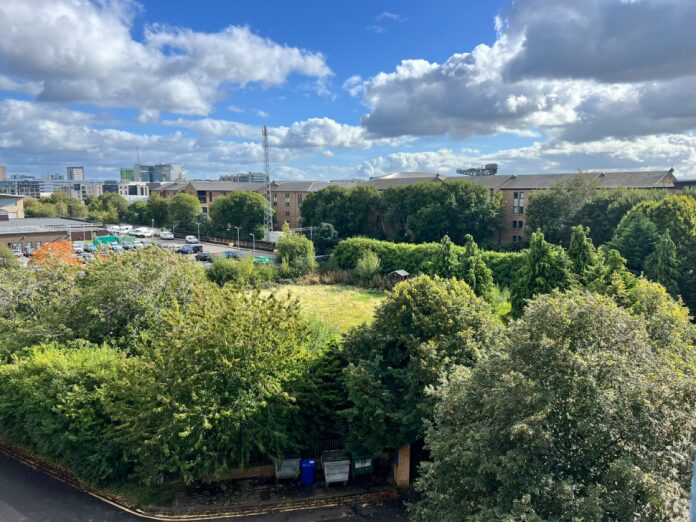
Glasgow residents seeking to bring the historic site of a former Finnieston bowling club into community ownership are calling on the help of Scottish Ministers to halt controversial plans for a housing development.
Sold in 2017, the former Corunna Bowling Club, located within the St Vincent Crescent Conservation Area, has become the focus of growing concern among local residents, councillors and MSPs who believe the issues raised extend far beyond a single planning application.
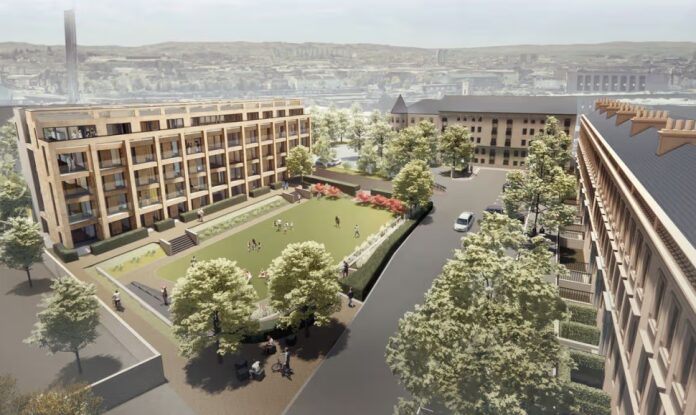
Although Glasgow City Council’s Planning Applications Committee indicated it was ‘minded’ to grant permission to developers Nixon Blue for a six-storey residential development, the decision cannot yet be finalised because a Section 75 legal agreement remains unsigned.
Scottish Ministers therefore still have an opportunity to intervene and decide whether the application should be considered at a national level. Charity Friends of St Vincent Crescent Conservation Area, who have over 300 members, are now asking them to respond urgently to requests for a ministerial call-in.
The issue was raised in Holyrood yesterday by Glasgow Green MSP Patrick Harvie. He reinforced that the local community of Finnieston have “very creative plans” for the bowling club which has lain derelict for 10 years and is now “massively overvalued” at £2.9million, inflated in response to the planning committee’s noted opinion on the green space. The land was previously valued at £250,000.
He said: “The community has the right of first refusal, but this is now implausible in the face of this massive increase in the price tag - more than ten times the value purely as a result of the planning permission.
“This aspect of the way the planning system works serves as a massive barrier to communities looking to take community ownership of disused land and only serves to benefit very wealthy speculative land speculators.”
For the local community, the issue is not simply whether housing should be built on one former bowling green. They believe Corunna raises broader questions about how Scotland balances development pressures, the protection of urban green space, the future of conservation areas and the role communities should play in decisions affecting land and assets that are important to them.
Dr David Johnson, Trustee of Friends of St Vincent Crescent Conservation Area, who has lived in Finnieston for over 40 years, said: “This isn’t just about one site. If a protected green space within a conservation area can be lost despite clear policy objections and planners recommending refusal, then what message does that send about the future protection of green spaces elsewhere?”
He explained: “The current owners have put in four applications, all of which the council’s planning department have strongly recommended refusal of. And for some reason, the planning applications committee have now taken a decision to be ‘minded’ to approve the application, subject to Section 75 conditions, it’s not been formally approved yet, because this hasn’t been signed off. Until this is signed off, the application can be called in by Scottish Ministers who will make their own determination as to whether or not it is to be approved.
“There are so many protections that this former bowling green has. Other than being a national park, it probably couldn’t have any more protection in terms of planning legislation. It lies within a Conservation Area and one of it’s key features is the open aspect to the South of the Grade A-listed Crescent - the longest Serpentine Crescent in Scotland - it’s iconic and an important in terms of National Heritage.
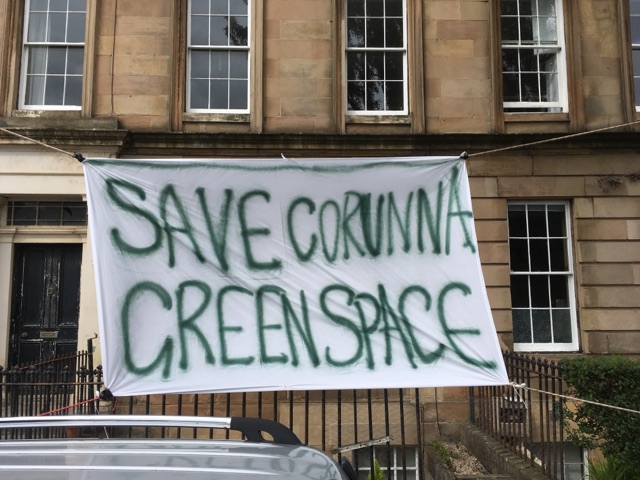
Dr Johnson added that the Ward 10 area of Glasgow has the least green space per head of population in Glasgow.
“It’s designated open green space on the city plan in an area with the lowest amount of green space per head of population in Glasgow - less than the recommended amount. By ignoring their own planners, the council has sent a message that any historic bowling green or urban park in Scotland is fair game for private developers. We are asking the Planning Minister to step in, uphold National Planning Framework 4, and protect this land.”
The former bowling green is one of a number of open spaces that contribute to the character of the St Vincent Crescent Conservation Area. Friends of St Vincent Crescent argue that the loss of such land would not only affect local residents but could also influence how similar sites are treated elsewhere in Scotland.
The community believes the application raises important questions about the future of urban green space at a time when national policy increasingly emphasises biodiversity, public health, climate resilience and access to nature.
It also believes there are wider questions about how communities can meaningfully participate in shaping the future of local assets where alternative community-led proposals exist.
Heather Yearwood of Community Land Scotland said: “What happens at Corunna matters beyond Glasgow. This case brings together issues that communities across Scotland are grappling with, including the loss of urban green space, the future of conservation areas and the role local people should have in decisions about important community assets.
“The question facing Scottish Ministers is not whether they support or oppose this development. The question is whether the issues raised by Corunna are important enough to warrant national scrutiny. Given the implications for green space, conservation areas and community-led alternatives, we believe the answer should be yes.”
With the planning process continuing, residents are now urging Scottish Ministers to provide a clear response to the requests for a call-in.
They argue that what happens at Corunna will not simply determine the future of one site in Glasgow, but may also signal how Scotland intends to balance development, conservation and community aspirations in similar cases across the country.
Glasgow MSP Pauline McNeill said protected green space is in the heart of the city centre and stressed it is important to protect these green spaces.
She said: “There’s planning law that protects this green space, but for some reason the planning committee at Glasgow City Council ignored the fact that there is actually a local plan by the local community here to put a community bid together, which they are entitled to do, and which is encouraged by the Scottish Government. But for some reason they completely ignored that.
“So I am backing the local community here because they should get a chance to use this land for local community purposes. And that’s what the National Planning Framework says: Protect green spaces and give communities the right to buy the land where they live. So I’ll be helping the campaign here to forward these arguments and either ask a minister to call this in because I think there is justification for that, or to get judicial review on the planning decision. But protecting green spaces like this in cities like Glasgow is of paramount importance, so I’m fully behind it.”
Glasgow City Council confirmed that consent was granted by the Planning Applications Committee, adding: “Any application is approved or refused on its planning merits.”