Scots pensioners could lose out due to Andy Burnham’s decision to scrap the triple lock – with the money saved earmarked for a National Care Service in England.
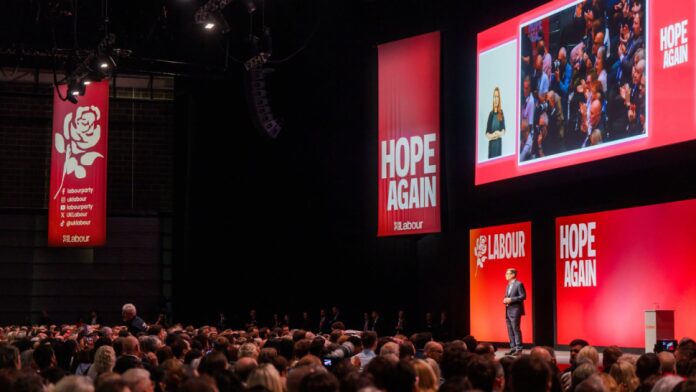
The Prime Minister has proposed an “adjustment” to the triple lock for all UK pensioners from April 2030. Announcing the plan at his first Labour Party conference as PM, he said the savings will be used to fund a National Care Service “south of the border”.
Under the existing system, the state pension rises each year by whichever is highest – inflation, average earnings growth or 2.5%.
Burnham’s proposed system would instead guarantee an annual increase of at least inflation or 2.5%, with further adjustments intended to ensure the state pension does not fall behind average earnings over the longer term.
The change would apply to pensioners across Scotland because the state pension remains reserved to Westminster and is administered by the Department for Work and Pensions.
Any dilution of the triple lock automatically reduces the future pension increases for Scottish retirees. If the triple lock is scrapped or modified, as Prime Minister Andy Burnham has proposed to help fund a future National Care Service in England, it means pensioners living in Glasgow, Aberdeen or anywhere else in Scotland will see their retirement income curbed over time to bankroll a social care reform that doesn’t apply to them.
Scotland has had free personal care since 2002, with the entitlement subsequently extended to adults of all ages who have been assessed as requiring it. Charges are still possible for some non-personal services and accommodation costs.
That creates an unusual position in which Scottish pensioners would be affected by the UK-wide change to pension uprating, while the new public service Burnham is using to justify the reform would apply only in England.
Speaking in Holyrood following the announcement, First Minister, John Swinney said the plan to end the triple lock was “a bad idea”.
He said: “In Scotland, we provide free personal care for older people without punishing pensioners. Andy Burnham removing the triple lock would simply repeat the mistakes of Keir Starmer.
“The blame for the UK’s financial mess lies with successive Westminster governments, not pensioners.”
For pensioners in England the change means a trade, their smaller pension rises in exchange for free care when they need it.
Scots, however, will see slower increases in their pension but none of savings will go to the country’s care budget.
Sharon Graham, the leader of the Unite trade union, told the BBC she would prefer a wealth tax to pay for the changes.
Zack Polanski, leader of the Green Party, asked why the government was going after pensioners instead of taxing the rich.
The Institute for Fiscal Studies said savings to the Exchequer are “likely to be relatively small in the first few years” and would not be enough to fund universal social care in England during the next parliament. Government officials have estimated the pension reform could eventually save around £15 billion a year by 2040.
Burnham said: “The state pension will continue to rise every year at least by prices or 2.5pc and it will hold its value relative to earnings over time, so pensioners will always share in the rising prosperity of the nation.
“But this change will generate significant savings which we will use to build up our National Care Service.”
There is, however, the potential for Scotland to receive extra money in the Barnett formula, but only if England’s National Care Service is paid for through ordinary departmental budgets as the NHS is.
Scotland would not automatically receive a Barnett share of the money saved from reducing future increases in the state pension.
State pension expenditure is part of the UK Government’s Annually Managed Expenditure, or AME, which is used for large and demand-led spending including welfare. The Barnett formula instead generally applies to changes in UK Government departmental spending within Departmental Expenditure Limits.
Under the formula, Scotland receives a population-based proportion of changes in spending on comparable services in England. HM Treasury currently uses a Scottish population factor equivalent to 9.52% of England’s population.
An additional £1 billion of England-only Health and Social Care departmental spending subject to the current factors could produce a Barnett consequential of roughly £95 million for Scotland.
However, the Barnett cash goes to the Scottish Government’s general budget and not toward direct care for the elderly.
Since Scotland already has free personal care, the Barnett money doesn’t automatically buy anything new in the care sector, potentially leaving pensioners worse off.
Burnham has also said everybody will contribute and that tax rises are likely.
In July, SNP MSP Clare Haughey said Scottish taxpayers would be angry if their taxes rose to pay for the English care sector.