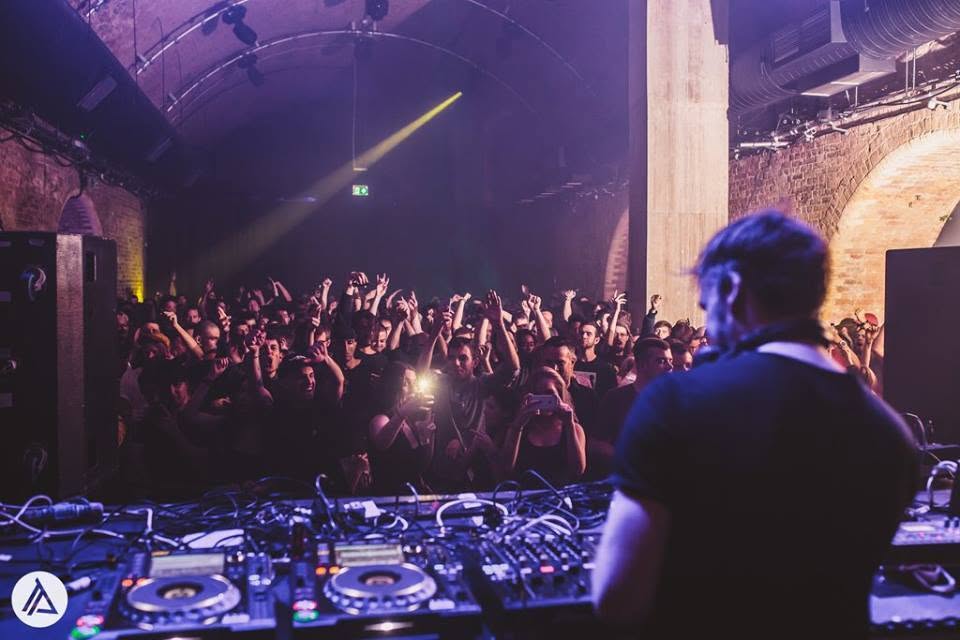
Glasgow is synonymous for its nightlife. From gritty live music venues to globally-renowned underground club culture, the city’s world class after-dark scene is consistently ranked among the best in the UK drawing the world’s top DJ’s and artists all year round.
But post-Covid there has been a notable shift in behaviours and attitudes from days gone by when clubbers and gig-goers would descend on the city centre night after night to sample the talents of the weekend’s biggest name DJ or up-and-coming band.
Mike Grieve, owner of the legendary Sub Club, described this shift as a ‘ground zero moment’ and believes the city is still trying to recover from it.
In a bid to support the city’s night-time industry and drive forward a vision for the future, he has taken on a new role serving as a night csar for Glasgow as he heads up a new Glasgow nightlife commission.
On behalf of the Scottish Night Time Industries Association the new commission aims to boost Scotland’s night-time economy, lobby for change across the sector and work collaboratively with Glasgow City Council and other stakeholders.
Other members of the Glasgow Night Time Commission include DF Concerts promotor Fiona Ellis, Glasgow Life art and music head Katie Duffy and representatives from groups such as Music Venues Trust. A new Glasgow night-time manager will also be appointed to ensure recommendations made by the commission are pushed forward.
They say “significant developments” have already been made including new transport initiatives and recommended actions to help promote Glasgow’s bustling nightlife.
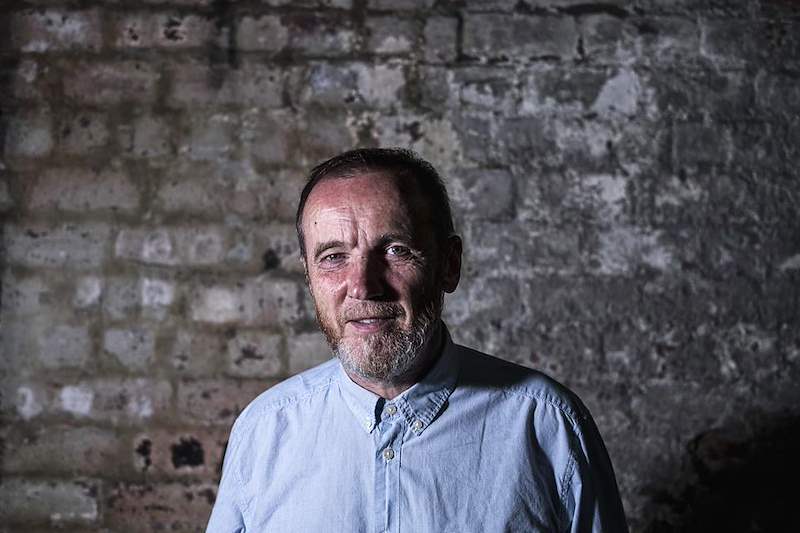
Commenting on the move, Mike Grieve said: “It is truly exciting that we have now reached the stage where we are able to announce the next stage of this initiative and we look forward with enthusiasm to putting in place the building blocks which will drive forward this vision for nightlife in the city.
“Glasgow City Council has put it’s money firmly where it’s mouth is in allocating significant budget to appoint a full-time officer and establish the permanent commission to manage the emerging strategy. I have no doubt this resource will prove to be money very well spent for the whole of our city centre, and especially for the vital hospitality, music, arts and entertainment sector which brings so much cultural identity and value to Glasgow.”
However, the decision to transform the city’s world-famous nightclub The Arches into an American-style bowling alley is a loss deeply felt by Glasgow’s veteran clubbing contingent. An iconic space for connection, culture and escapism, the cavernous clubbing mecca shaped generations of music lovers.
A £2.5m plan to convert the former site of one of Scotland’s most famous nightclubs into a bowling and games bar recently secured licence changes to remove dance events. Lane 7, who run Level X in St Enoch’s Centre, will take over Platform on Argyle Street and will house a bowling alley, arcade games and activities like augmented darts, shuffleboard, ping pong and mini-golf.
Glasgow clubbers in their thousands fought back with online petition ‘Arches Not Bowling’ calling for a full cultural and heritage impact assessment and a boycott of the new venture. The Arches plunged into administration in 2015 after a midnight closing time was imposed by Glasgow’s licensing board following police complaints about drug abuse and disorder.
In May, changes to the venue’s premises licence were approved in to support the new operation and include “the removal of the reference to club style dance events” - a move which brings the night-time economy towards entertainment-based premises instead of clubs.
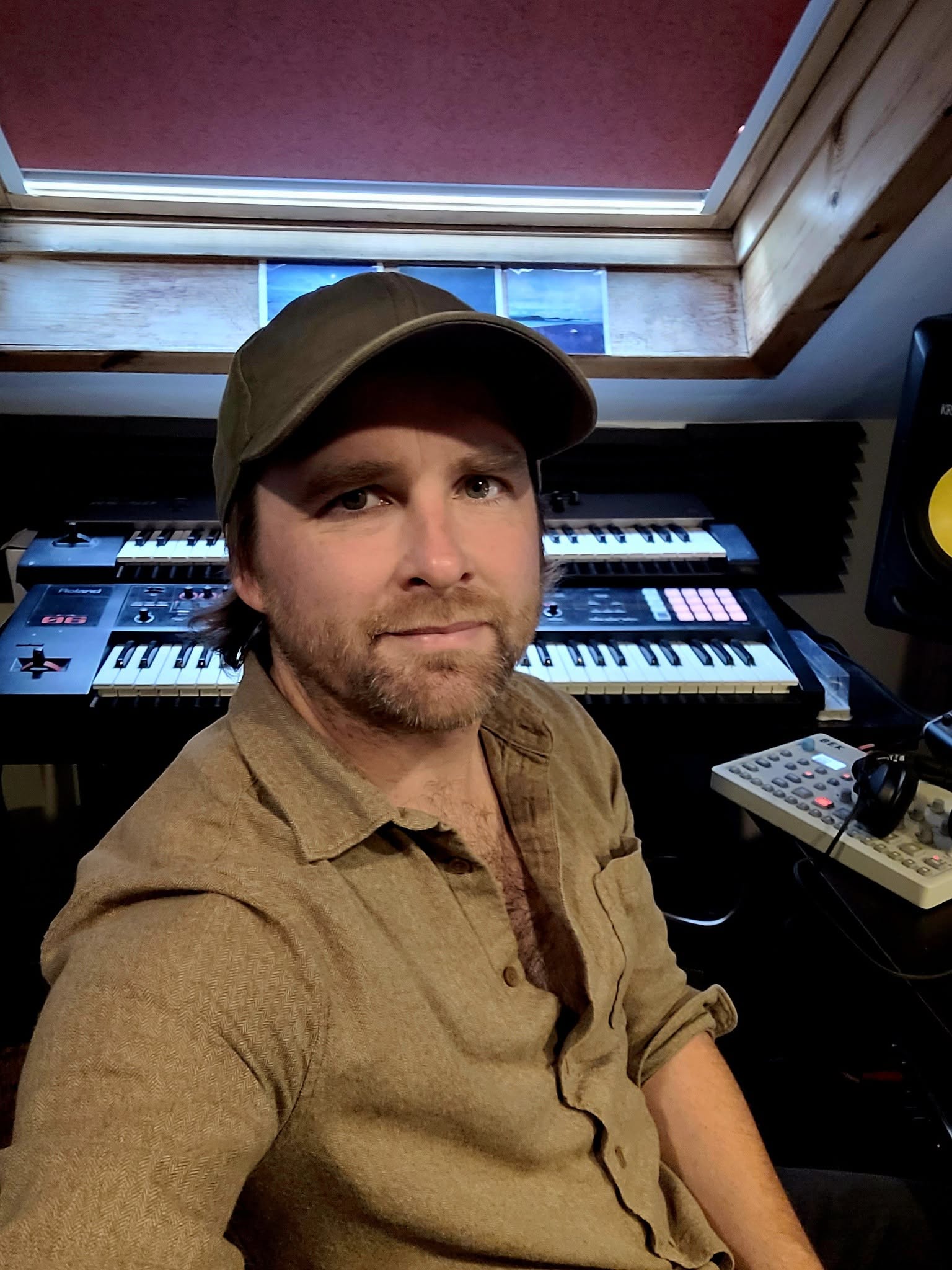
Gary Beck is one of the nation’s best exports. The Paisley-born DJ and owner of BEK Audio is a primary figure in the techno scene.
Known and respected for his unique sound, he has gained support from the best names in the business, released music on some of the genre’s leading labels and performed at some of the world’s largest and respected clubs and festivals including Printworks London, Output NYC and Awakenings festival in Amsterdam.
He believes our nightlife culture needs to be looked after.
Hailing the commission, Gary told Scottish News: “I absolutely think it’s a great thing for the city. Our nightlife culture has to be looked after, as it’s so important for the culture to continue to grow. Having Glasgow City Council on board investing can only be a good thing.
“I think it took a while for people to get back into the swing of things [post-pandemic]. Covid was such a hard time for everyone, especially everyone involved in the nightlife scene. I can say now, it feels like there’s a real appetite for clubbing again, and it’s getting back to it’s best.”
On losing the Arches for a family entertainment venue when the city already has so few options for underground music, Gary added: “I think it’s an absolute disgrace. The Arches means so much to so many people. It’s a creative space for people to thrive. Nobody wants a bowling alley, and I sincerely hope the project falls on its backside. If it does, hopefully the new commission can help bring it back, which would be welcomed by absolutely everyone.”
He added: “I have so many memories of the Arches. From working behind the bar, to playing my album launch party at PressureH. It means so much to me, and it’s a massive part of my life.
“Nowhere really compares to the Arches.”
Co-owner of popular East End pub Redmond’s of Dennistoun, Davy Kirkwood, believes the appetite for pubbing and clubbing in Glasgow just isn’t as far-reaching as it once was, primarily due to the price of a night out.
“The appetite is still there, and with the same hunger as it always was, but that appetite isn’t as widespread across as many people as it used to be, I don’t think”, he said.
“People being more responsible with their alcohol consumption is obviously a good thing - I’m not romanticising binge drinking and drinks promos - but it’s also, comparatively, far more expensive to just go to the pub than it used to be, let along go out for a night of pubbing then clubbing. Folk need to be more picky, more restrained, which does affect the energy of the city as the evening is kicking in. There used to be a buzz in Glasgow every single night - that’s absolutely not the case these days.”
Davy added: “At the exact same time as it’s costing more and more to run a pub, folk have got less and less to spend on drinking in the pub. So it’s
tough for everyone these days, but Dennistoun is a lovely balance of a vibrant neighbourhood, and a place that’s very near the city centre, so you get a split between folk staying in their ‘hood’ of an evening, and those who are on their way out.
“That said, being able to drink after midnight, without being in a club or a casino, is a genuinely great development since I was in my 20s. Max’s, Bloc, Sleazy’s, Howling Wolf, etc, do a great job.
“I welcome a commission greatly. You still hear so many folk - folk from other cities and countries who I encounter in our pub - talking about how legendary Glasgow is for a night out. It would be a shame if that legendary status fizzled out.”
Commenting on the closure of the Arches and reflecting on his own personal experience beneath those famous arches, he mused: “It’s a shame. You can feel the history in that place. Nothing lasts forever and stuff has to be commercially viable, I know, but no-one’s going to tell me the new use for space will be as unique or special for the city.
“Excitement is what the Arches meant to me. Queuing under a railway bridge and hearing the bass from the street, walking through the streets amongst every walk of life and then getting inside and feeling like everyone was on the same wavelength as you. The nervous energy you’d feel building up on a Friday evening if you knew you were going to Pressure that night. It was the best of times.”