The 8 greatest Scottish albums of 1996 – 30 years on
1996 was a remarkable year for Scottish music. Three decades later, we revisit eight albums that helped define an era.
Thirty years ago, Scottish music was enjoying an extraordinary burst of creativity, with some of the country's most influential bands producing records that would stand the test of time.
In Glasgow, a relatively unknown group called Belle and Sebastian released two albums in just five months, establishing themselves as one of the most important indie bands of their generation.
Over in Falkirk, two musicians called Aidan Moffat and Malcolm Middleton were recording songs about drinking, relationships and the uncomfortable realities of everyday life.
Elsewhere, established Scottish acts including The Blue Nile, Cocteau Twins and Trashcan Sinatras were adding remarkable records to their catalogues.
Three decades later, we look back at eight of the greatest Scottish albums released in 1996.
Tigermilk – Belle and Sebastian
Released: 6 June 1996
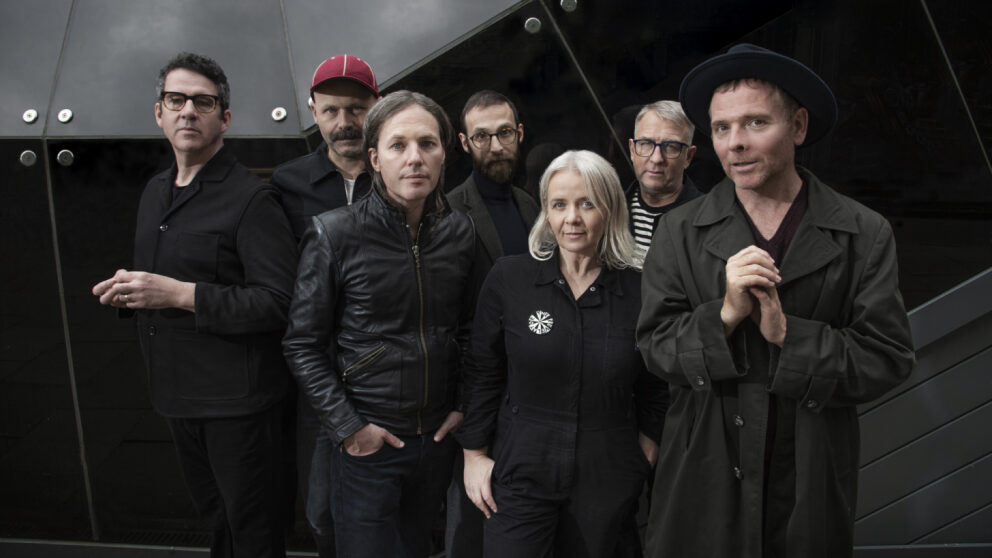
Belle and Sebastian released Tigermilk in June 1996 and followed it with If You're Feeling Sinister five months later.
Belle and SebastianFew bands have enjoyed such an extraordinary debut year.
Belle and Sebastian released Tigermilk, an album that began life as a project associated with Stow College in Glasgow.
Recorded in just a few days, it was released through the college's Electric Honey record label, with only 1,000 vinyl copies originally pressed.
The songs, largely written by Stuart Murdoch, immediately revealed a remarkable talent for storytelling.
The State I Am In, Expectations, She's Losing It and Electronic Renaissance introduced a band capable of mixing gentle guitar pop with sharp observations about life and relationships.
The limited release meant Tigermilk initially reached only a small audience. Copies eventually became highly sought-after by collectors, and the album received a wider release in 1999.
Remarkably, Belle and Sebastian followed Tigermilk with another acclaimed album, If You're Feeling Sinister, in November 1996, just five months later.
The Week Never Starts Round Here – Arab Strap
Released: 25 November 1996
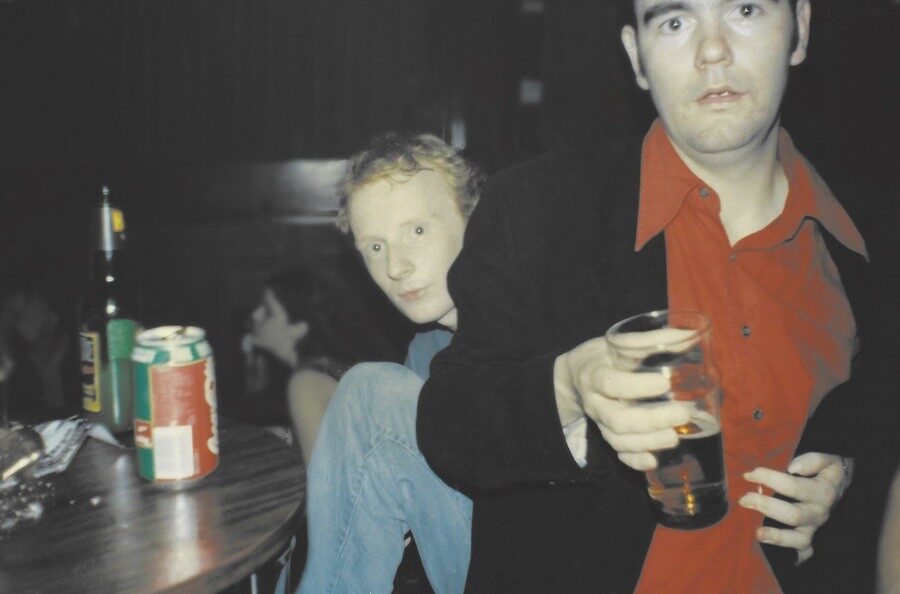
Arab Strap in 1996
BandFalkirk duo Aidan Moffat and Malcolm Middleton made an immediate impression with their debut album, released through Glasgow's Chemikal Underground label.
The Week Never Starts Round Here was raw, intimate and unmistakably Scottish.
Moffat's conversational vocals explored drinking, sex, loneliness and difficult relationships, backed by Middleton's atmospheric guitars and sparse electronic arrangements.
The album's standout track, The First Big Weekend, became an underground favourite and attracted the attention of influential BBC DJ John Peel.
Recorded at MCM Studios in Hamilton, the record helped establish Arab Strap as one of Scotland's most original bands.
Its appeal came from the willingness to describe ordinary lives without pretending they were glamorous.
Three decades later, it remains a remarkable portrait of Scotland in the 1990s.
Milk & Kisses – Cocteau Twins
Released: March 1996
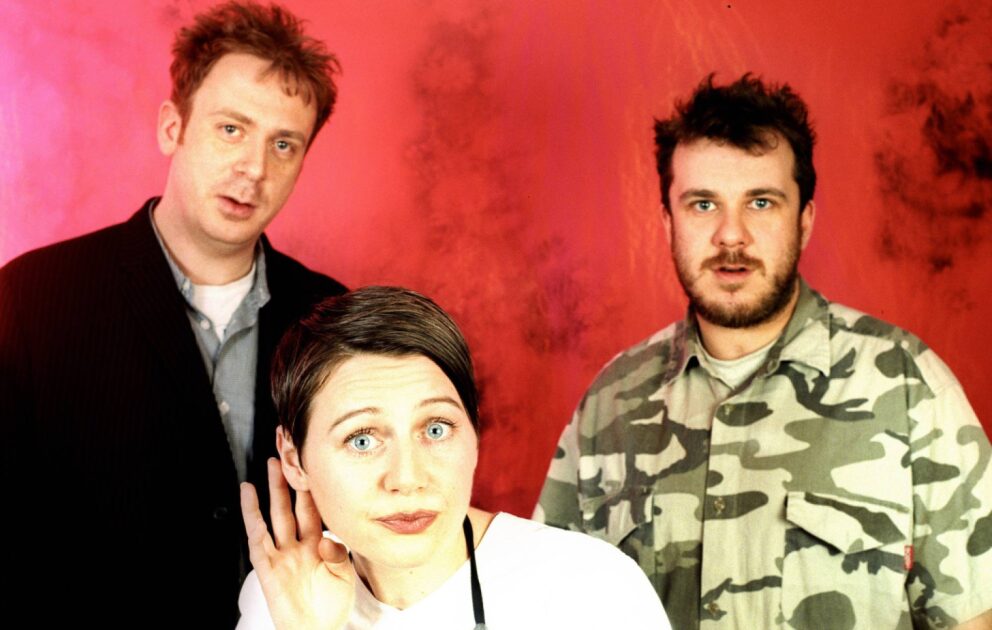
By the time Cocteau Twins released Milk & Kisses, they had already spent more than a decade influencing alternative music around the world.
Cocteau TwinnsFormed in Grangemouth in 1979, the group had developed a unique sound built around Elizabeth Fraser's extraordinary vocals and Robin Guthrie's shimmering guitar arrangements.
Their eighth studio album arrived in March 1996 and would ultimately prove to be their last.
Featuring songs including Violaine, Tishbite and Serpentskirt, the record continued the band's exploration of atmospheric, dreamlike music.
Fraser's remarkable singing remained the centrepiece, surrounded by layers of guitars and intricate production.
Milk & Kisses reached number 17 in the UK Albums Chart.
Cocteau Twins disbanded in 1997, bringing an end to one of the most influential careers in Scottish alternative music.
Their final album remains a beautiful farewell.
Peace at Last – The Blue Nile
Released: 10 June 1996
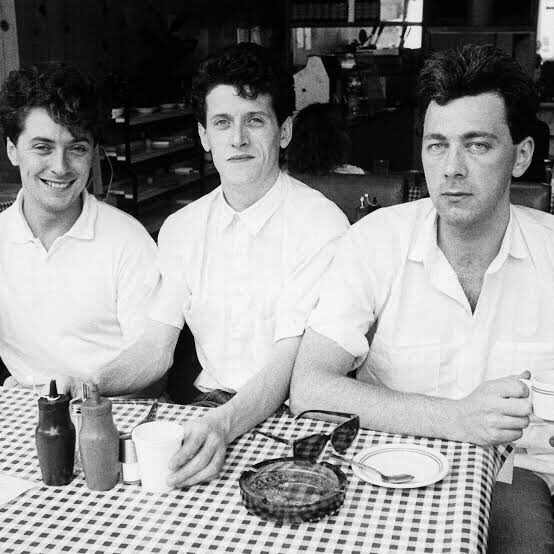
The Blue Nile
UnknownThe Blue Nile were never a band in a hurry.
Seven years had passed since the Glasgow trio released their acclaimed second album, Hats, when they finally returned with Peace at Last.
Paul Buchanan, Robert Bell and Paul Joseph Moore had developed a reputation for creating atmospheric, sophisticated music that seemed to exist outside changing fashions.
Their third album introduced a warmer, more acoustic sound, with guitars featuring more prominently alongside the group's familiar electronic arrangements.
Happiness, Sentimental Man and Family Life were among its highlights, with Buchanan's emotional vocals giving the songs their distinctive character.
Peace at Last reached number three in the Scottish Albums Chart and number 13 across the UK.
The band would not release another studio album until High arrived in 2004.
For admirers of The Blue Nile, Peace at Last remains an essential part of one of Scotland's most remarkable musical catalogues.
A Happy Pocket – Trashcan Sinatras
Released: 1996
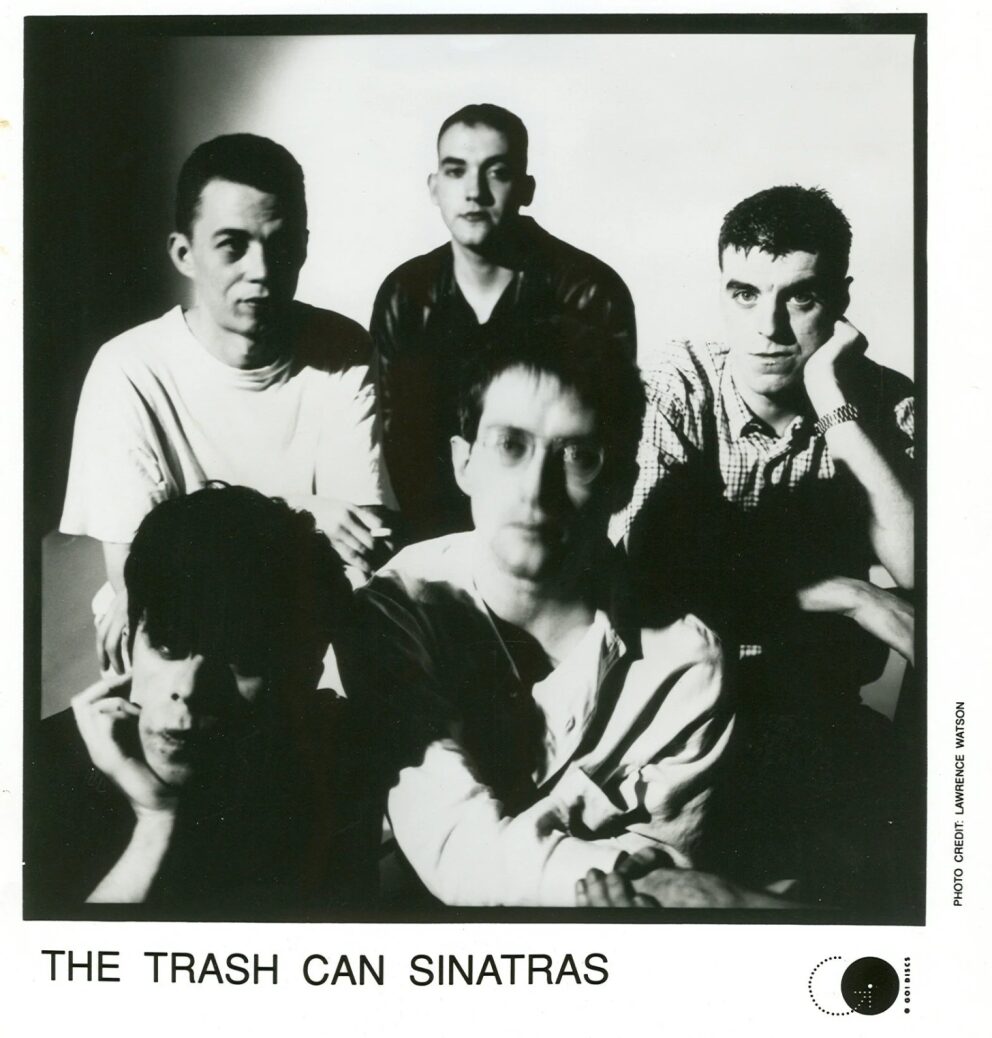
The Trashcan Sinatras
Lawrence WatsonThe Trashcan Sinatras were among Scotland's finest guitar-pop bands when they released their third studio album in 1996.
Formed in Irvine, the group had already attracted critical acclaim for their first two records, Cake and I've Seen Everything.
A Happy Pocket was recorded at their own Shabby Road studio in Kilmarnock and continued their tradition of beautifully crafted melodies and clever lyrics.
Songs including Twisted and Bent, The Main Attraction and How Can I Apply...? demonstrated the band's gift for combining sophisticated songwriting with memorable guitar hooks.
Frank Reader's warm vocals were central to a record that deserved a much wider audience.
The album did not achieve major commercial success on its original release, and the group would wait another eight years before releasing their next studio record, Weightlifting.
A Happy Pocket has since become a favourite among admirers of Scottish indie pop.
Domestiques – The Delgados
Released: 28 October 1996
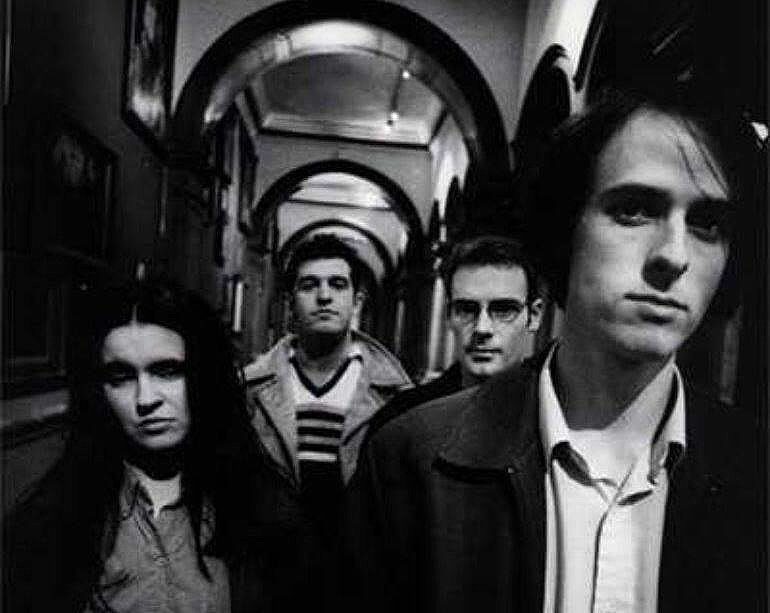
The Delgados`
UnknownWe Are Urusei Yatsura – Urusei Yatsura
Released: 20 May 1996
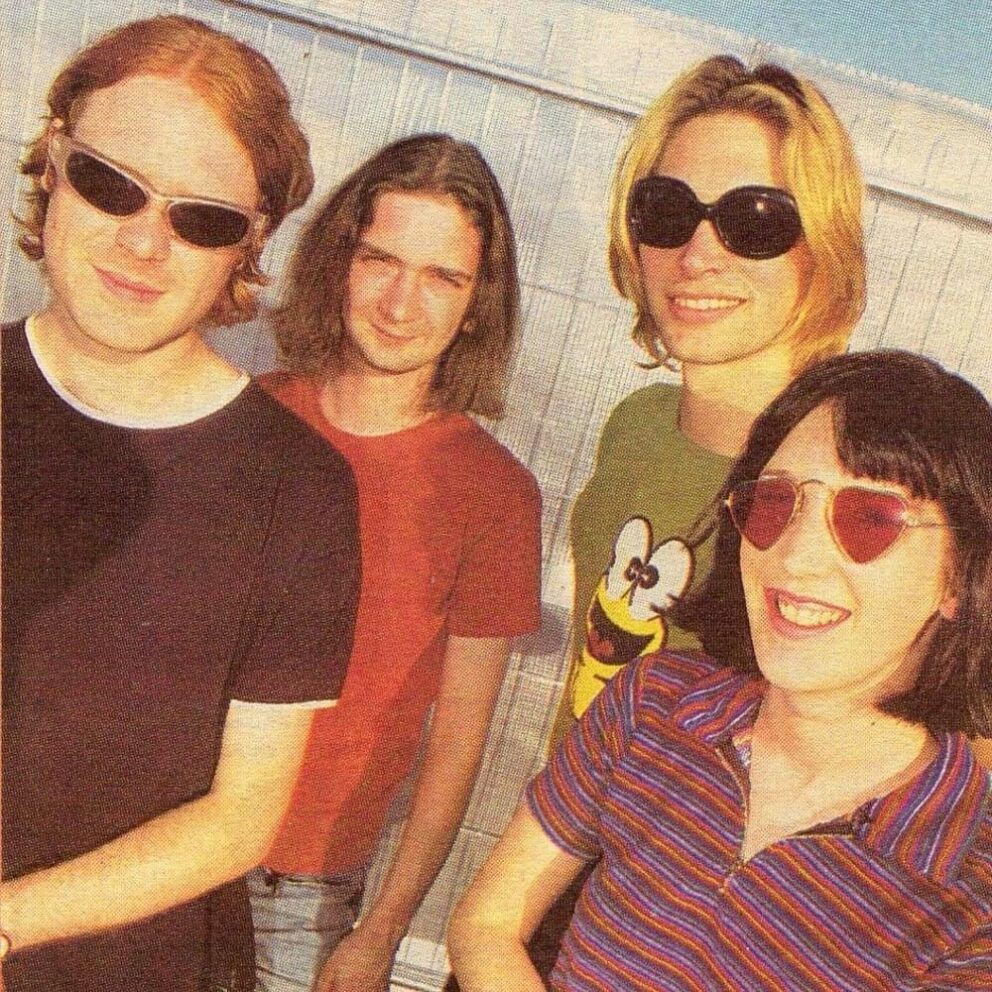
Glasgow's alternative music scene was producing more than its fair share of memorable records in 1996, including the wonderfully chaotic debut from Urusei Yatsura.
UnknownThe band had developed a distinctive sound built around distorted guitars, infectious melodies and a playful approach to songwriting.
Their debut album, We Are Urusei Yatsura, was released through Ché Trading and quickly established them as cult favourites.
Songs including Siamese, Kewpies Like Watermelon and Phasers on Stun captured their mixture of noise, humour and energetic indie rock.
The record was a reminder that Scottish music in the 1990s was far more diverse than the mainstream charts might have suggested.
While mainstream indie bands were filling stadiums, groups such as Urusei Yatsura were helping to build a thriving grassroots independent scene.
Thirty years later, their debut remains a gloriously noisy reminder of a fun year in Scottish music.
Theme Park – BMX Bandits
Released: 28 October 1996
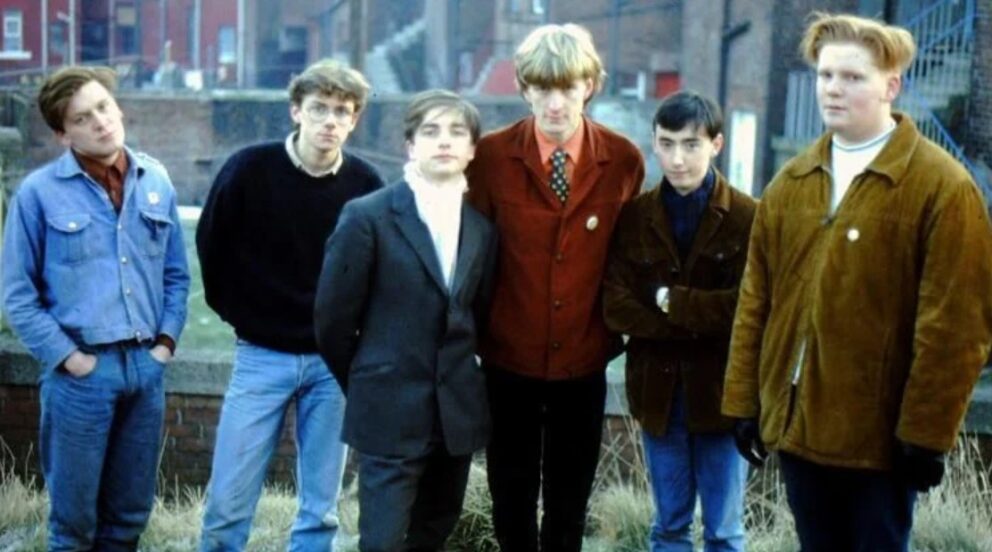
BMX Bandits
UnknownDuglas T Stewart and his band, BMX Bandits, emerged from Bellshill in Lanarkshire during the 1980s and became an important part of a musical community that also produced Teenage Fanclub and The Soup Dragons.
By 1996, BMX Bandits were established favourites among indie-pop fans, having developed a sound inspired by the Beach Boys, the Beatles and classic American pop.
Their fifth studio album, Theme Park, was released through Creation Records, the label that was enjoying enormous success with Oasis.
Produced with contributions from American musician and producer Kim Fowley, the record combined colourful arrangements, catchy melodies and Stewart's distinctive sense of humour.
Songs including We're Gonna Shake You Down, Nuclear Summertime, I Wanna Fall in Love and One Big Heart demonstrated the group's love of classic pop songwriting.
Theme Park also reflected the band's willingness to experiment, mixing upbeat guitar music with unusual arrangements and unexpected musical detours.
Although BMX Bandits never enjoyed the mainstream success of some of their contemporaries, their influence on Scottish indie music has been considerable.