The row over the future of Scotland’s Acorn carbon capture project has deepened after the UK Government insisted a promised £200 million grant remains in place despite confusion caused by the Budget.
Chief Secretary to the Treasury Emma Reynolds said ministers were “honouring” the commitment made to the north-east project and denied the funding had been cut.
Speaking on BBC Radio Scotland this morning, Reynolds said: “We allocated that money and we stand by that commitment.”
She said the £200 million remained grant funding, but indicated that further government support required to take Acorn forward could come through loans or the UK Government taking an equity stake in the project.
The intervention followed uncertainty sparked by Chancellor John Healey’s Budget on Wednesday.
The Budget document said the Department for Energy Security and Net Zero would reprioritise its spending to contribute towards increased defence investment.
It said the Government would prioritise more mature carbon capture, usage and storage projects in Teesside, Merseyside and North Wales, while maintaining grant funding for the Viking Cluster.
The document then stated that the changes would save £200 million in capital grants from the UK’s carbon capture programme.
Acorn was mentioned separately, with the Government saying it was examining the use of loans or equity investments to support its continued development.
That wording prompted fears that the £200 million previously earmarked for Acorn had effectively been removed and replaced with loans.
The Government is now adamant that is not the case.
Reynolds said the existing £200 million commitment had not been cut and suggested loans or equity would instead be considered for additional funding required to secure the project’s future.
The original commitment was made following the Spending Review in June 2025.
At the time, the UK Government said it was meeting a request for around £200 million in development funding, subject to the business case, to prepare Acorn for delivery.
The funding was intended to allow the project to progress towards a final investment decision later in this Parliament.
Acorn also said following the Budget that its current development programme had not changed.
The project said it would continue with UK Government support through the grant funding announced in June 2025, while discussions would continue over the next phase and potential long-term support through loans or equity investment.
The clarification has not entirely ended questions over Acorn’s future.
Scottish Secretary Douglas Alexander said after the Budget that there had been significant challenges around both the readiness of the technology and the commercial arrangements surrounding the project.
Scottish Deputy First Minister Jenny Gilruth called for certainty from the UK Government, arguing that clarity over funding was necessary for investors and industry if Acorn and the wider Scottish Cluster were to move forward.
There is also a significant distinction between the £200 million development package and the much larger funding that would ultimately be needed to build and operate Acorn.
The original £200 million was designed to progress development work towards a final investment decision. It was not a commitment to meet the full construction costs of the project.
The Budget now indicates that the UK Government expects loans, equity investment and private capital to play a greater role in funding projects which have not yet reached the same stage as the carbon capture clusters being developed elsewhere in the UK.
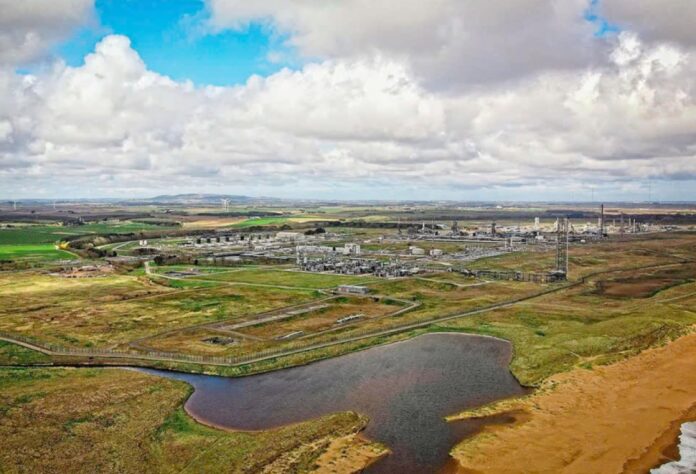
Acorn is centred on the St Fergus gas terminal near Peterhead and would transport captured carbon dioxide from industrial sites for permanent storage beneath the North Sea.
The project is also closely linked to plans for a new gas-fired power station with carbon capture at Peterhead.
The UK Government said in 2025 that the Acorn development funding could help safeguard and create thousands of jobs, while allowing existing North Sea infrastructure and expertise to be used as Scotland moves towards lower-carbon energy.