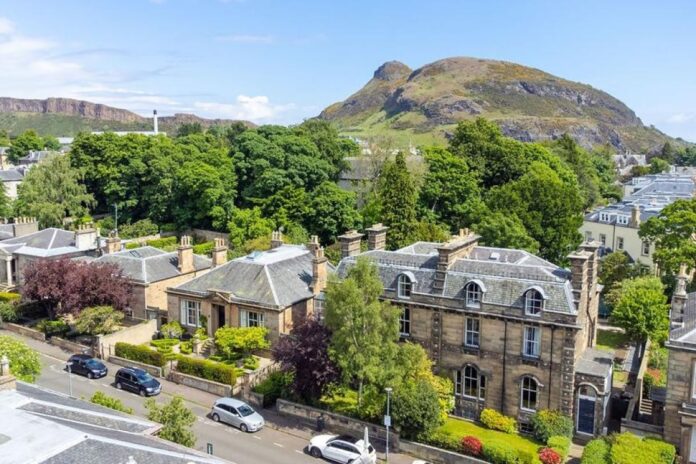
Some of Edinburgh’s most exclusive streets have recorded average property sales exceeding £3 million, with research revealing the extraordinary prices commanded by homes in the capital’s wealthiest neighbourhoods.
Hope Terrace, in the affluent Grange area, has emerged as Edinburgh’s most expensive street for million-pound-plus transactions, according to figures published in January 2026.
Properties selling for more than £1 million on the leafy southside street achieved an average price of £3,444,632.
The findings come from property-buying agency Fyndd, which commissioned consultancy HomeBench to examine Edinburgh streets with at least three sales exceeding £1 million between 2020 and 2025.
Napier Road, in Merchiston, emerged as the second most expensive street, with six qualifying properties selling for an average of £2,645,667.
Hermitage Drive, Cumin Place and Oswald Road completed the top five, reinforcing the dominance of Edinburgh’s affluent southside.
Ann Street, in Stockbridge, recorded an average price of £779 per square foot, making it the capital’s most expensive street by this measure.
Its million-pound-plus properties sold for an average of £1,857,818, with 17 qualifying transactions recorded during the six-year period.
The picturesque Georgian street commands a significant premium despite properties generally offering less space than the substantial Victorian villas found in the south of the city.
Hope Terrace, by comparison, recorded an average of £456 per square foot.
Ten of Edinburgh’s most expensive neighbourhoods and what homes cost
Separate property research published during 2026 provides a wider picture of the capital’s most exclusive residential neighbourhoods.
Figures released by property portal ESPC on 31 July identified seven Edinburgh districts among the ten leading premium property hotspots across Edinburgh, the Lothians and Fife.
The research examined areas attracting particularly high numbers of properties valued above £750,000, with transaction activity considered from January 2023.
Further research published by Savills on 19 May 2026 identified several other expensive Edinburgh residential districts based on average price of house sales.
-
Morningside – £981,932
-
Newington – £913,778
-
Colinton – £912,895
-
The Grange – £881,458
-
Trinity – £867,750
-
Blackhall – £840,000
-
Ravelston – £809,687
-
Merchiston and Greenhill – £636,661
-
Coltbridge and Wester Coates – £625,973
-
Craigmillar Park – £609,808
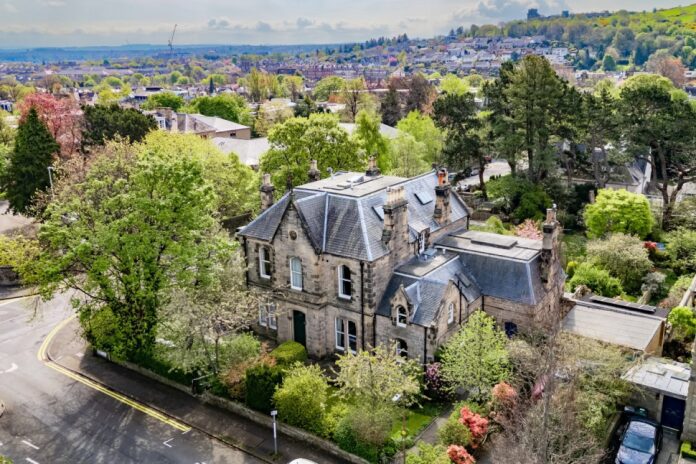
The Grange
Why Edinburgh’s wealthiest neighbourhoods command such high prices
Morningside, which recorded the highest average asking price among the premium property hotspots identified by ESPC, remains particularly attractive to families.
The neighbourhood combines substantial period homes with independent shops, restaurants, schools and access to green spaces.
Nearby Newington and the Grange offer many of the same advantages, alongside easy access to the city centre.
Colinton, on Edinburgh’s south-western outskirts, has a different character, offering a village atmosphere, larger detached homes and extensive green spaces.
In the north of the capital, Trinity and Blackhall attract buyers seeking family properties in established residential neighbourhoods.
Ravelston, meanwhile, remains one of Edinburgh’s most prestigious locations, with substantial detached houses and proximity to independent schools.
Research published by estate agency Macgregor in January 2026 identified the combined Murrayfield and Ravelston district as the most expensive area in its analysis of the central Edinburgh residential market.
Properties there recorded an average selling price of £732,515.
Stockbridge, the New Town and the Grange commanded the highest prices per square foot, reflecting the premium attached to central locations and historic architecture.
Savills’ separate conservation area research also identified Barnton Avenue as an exceptionally expensive address.
The conservation area recorded an average selling price of £817,105 across 62 transactions since 2016, while West Murrayfield averaged £745,605 across 286 transactions.
Edinburgh’s luxury housing market in 2026
The latest figures suggest Edinburgh’s most expensive homes have continued to command strong prices despite a slowdown in the wider property market.
An ESPC report published on 2 November found that properties selling for £750,000 or more in Edinburgh achieved an average price of £950,379 during the third quarter of 2026.
That represented an annual increase of 3.6 per cent.
However, sales volumes in the segment declined by 6.5 per cent compared with the same period in 2025, while new listings increased by 8.1 per cent.
The research also found that premium properties in Edinburgh achieved an average of 103.1 per cent of their Home Report valuation.
Across Edinburgh as a whole, the average property selling price was £314,200 during the three months from August to October 2026, according to ESPC’s latest monthly report. That was broadly unchanged from the previous year.
The contrast illustrates the gulf between the capital’s everyday housing market and its most prestigious addresses.
While the average Edinburgh property sells for just over £300,000, buyers seeking substantial period houses in the city’s most exclusive streets can face prices running into million pounds.
Edinburgh and Scotland’s mansion tax
More than half of the Scottish homes expected to face higher council tax bills under the Scottish Government’s proposed mansion tax are in Edinburgh.
Around 6,920 properties in the capital could be affected by plans to introduce two new council tax bands for homes worth more than £1 million.
That compares with 1,200 properties in Glasgow and an estimated 13,600 across Scotland.
The figures were published alongside the Council Tax (High Value Dwellings etc.) (Scotland) Bill, introduced at Holyrood on Wednesday, 18 November.
If approved by MSPs, the changes would take effect from 1 April 2028.
The legislation would create two new council tax bands above the existing Band H, with higher annual charges based on property values as of 1 April 2026.
The Scottish Government estimates that 6,510 Edinburgh properties would fall into Band I, covering homes worth more than £1 million and up to £2 million. A further 420 would enter Band J for properties valued above £2 million.
The concentration of high-value homes in Edinburgh means the city would account for approximately 51% of all properties affected in Scotland.