Features
Garden where the King landed his TARDIS finds a home by the Clyde
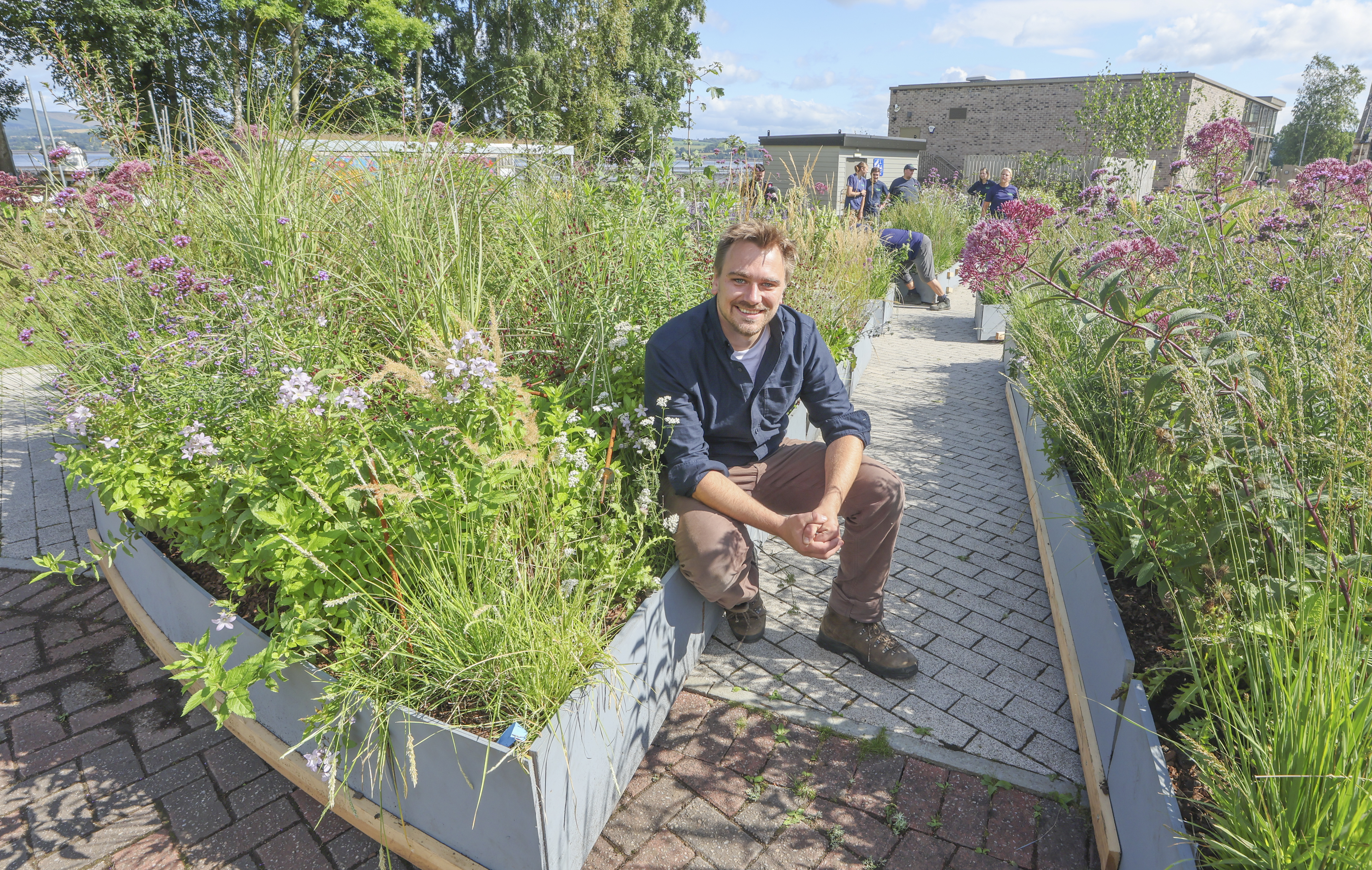
It’s the garden where the King and Queen landed in Doctor Who’s Tardis, and which welcomed 3,000 athletes to Glasgow 2026. Now the Scottish Nature Garden from the Commonwealth Games opening ceremony is putting down roots on the banks of Clyde, as part of the Games’ legacy. The botanical installation, designed by creative director Amalie White and BBC Gardener’s World presenter Jamie Butterworth, was seen by a global TV audience of billions during the ceremony. It has now been installed at Parklea Branching Out, a therapeutic horticulture charity and garden centre in Port Glasgow, Inverclyde. King Charles and Queen Camilla were greeted by the verdant representation of a saltire when they made their spectacular entrance at the Games opening ceremony last month, appearing in the Tardis alongside Sir Chris Hoy and actor Greg McHugh. Since then it has been enjoyed by visitors to Games events at the Hydro and Scotstoun stadium, before being transferred this week to Parklea, on the lower banks of the River Clyde.
Author and presenter Butterworth came to Glasgow to help install the garden ahead of the ceremony, which saw Skye-based electro-folk band Valtos perform an unbroken hour-long tune amid grasses and shrubs as athletes from 74 Commonwealth teams paraded into the arena, planting each of their batons in the garden. The batons, carved from the wood of fallen trees in Glasgow’s parks by craftsman Tim Norman, were later displayed at the Games’ Kelvingrove Live site, before going home with the teams. Butterworth returned to help install their creation at Parklea Park in Port Glasgow last week. He said: “We’re thrilled that the garden is relocating to Parklea Branching Out which is a brilliant organisation that is using horticulture in a completely different and deeply impactful way. “The installation will stay right here in the heart of Scotland, retaining its iconic saltire shape for a few weeks so people can arrange to visit it at Parklea Branching Out, before the plants are eventually settled into their permanent borders.” Parklea Branching Out was established in 1997 in Inverclyde. The organisation supports over 200 young people and adults each week through 45 weekly sessions, and runs a garden centre. The project opened a £2m training hub and community cafe in 2024.
Manager Sharon Gemmell said the saltire garden would be used as an educational resource, with some of the plants eventually being planted in their borders. There are also future plans to propagate plants from the saltire garden for the charity to sell. She said: “The therapeutic nature of horticulture is so important in helping people with their social connection, physical activity and health and wellbeing. “Introducing these plants and their soft, muted colours and textures, which were chosen to reflect the Scottish landscape, will help bring natural calm and a sense of place to the project. “A core part of what we do here is fostering connections between people and our environment. “For us to be the beneficiary of the garden is hugely important. It will have so many benefits for people with learning disabilities, autism and additional support needs.” It took two trucks and two fork lifts to move the 200sqm living installation down the M8 from Glasgow to Port Glasgow in segments containing around 2,400 peat-free perennials, live trees and shrubs. It had originally been constructed in planters, on wheels to allow for it to be removed from the arena in two minutes before dancers and singers took to the stage. Gemmell said: “It’s a big garden, but we adapted to make it work because it’s such an exciting opportunity for the charity. “It brings everything together that we care about - horticulture, inclusion and education, and using opportunities like this to ensure our community receives the wider benefits from it.” The charity provides training, work experience, supported employment, recreational and social facilities for adults and children with learning or physical disabilities. It also supports people with mental health problems, school leavers, the unemployed, elderly and other community groups. Sharon said: ““The plants will need to be maintained and cared for and we are really excited not only about the impact they will have on our site but also the work and training opportunities having the garden will bring, because someone will have to look after these borders, learn about the plants they’re working with, how to care for and maintain them and how to propagate those plants.” The charity plans to share propagated plants from the garden with other community groups in the area. Sharon said: “It’s also important to us that we tell the story of this garden and how it came to be here in Port Glasgow.”
She added: “We were totally taken aback when we were invited to rehearsals, and seeing the impact of it on TV during the ceremony was incredible. It looked stunning, so naturally beautiful. We’re so excited to have it here.” Designer Amalie White said: “It’s rare for a piece of set design to have a life beyond the stage, but because this was created using living plants, it was always our ambition that it would find a permanent home in Scotland, growing and flourishing long after the games. “It was the first thing audiences encountered as the opening ceremony began, a landscape where a global community came together, connecting with Scotland, nature, and ultimately one another. “The fact that it will now continue to thrive in Port Glasgow, beyond the Games, where it can be enjoyed by the people who work in and visit the space, is a fitting next chapter in its story.” Louisa Mahon, Chief Marketing Officer for Glasgow 2026, said: “We’re delighted that the Scottish Nature Garden has found a home in Port Glasgow, a town which has such strong links to Glasgow. “It’s great to know it will help the brilliant work being done at Parklea Branching Out. It’s such a fitting legacy for these Games.”

It’s the garden where the King and Queen landed in Doctor Who’s Tardis, and which welcomed 3,000 athletes to Glasgow 2026.
Now the Scottish Nature Garden from the Commonwealth Games opening ceremony is putting down roots on the banks of Clyde, as part of the Games’ legacy.
The botanical installation, designed by creative director Amalie White and BBC Gardener’s World presenter Jamie Butterworth, was seen by a global TV audience of billions during the ceremony. It has now been installed at Parklea Branching Out, a therapeutic horticulture charity and garden centre in Port Glasgow, Inverclyde.
King Charles and Queen Camilla were greeted by the verdant representation of a saltire when they made their spectacular entrance at the Games opening ceremony last month, appearing in the Tardis alongside Sir Chris Hoy and actor Greg McHugh.
Since then it has been enjoyed by visitors to Games events at the Hydro and Scotstoun stadium, before being transferred this week to Parklea, on the lower banks of the River Clyde.

Author and presenter Butterworth came to Glasgow to help install the garden ahead of the ceremony, which saw Skye-based electro-folk band Valtos perform an unbroken hour-long tune amid grasses and shrubs as athletes from 74 Commonwealth teams paraded into the arena, planting each of their batons in the garden.
The batons, carved from the wood of fallen trees in Glasgow’s parks by craftsman Tim Norman, were later displayed at the Games’ Kelvingrove Live site, before going home with the teams.
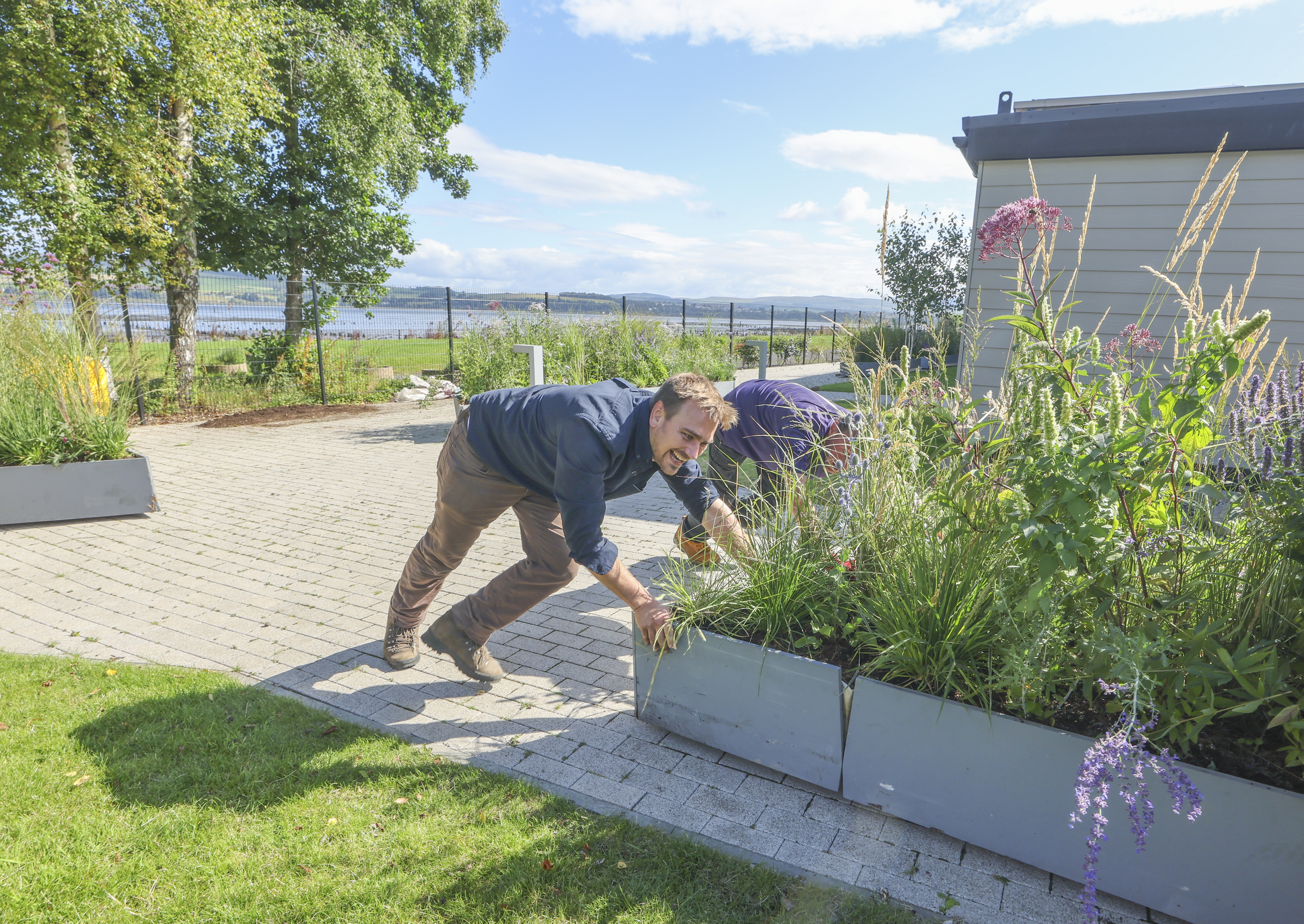
Butterworth returned to help install their creation at Parklea Park in Port Glasgow last week.
He said: “We’re thrilled that the garden is relocating to Parklea Branching Out which is a brilliant organisation that is using horticulture in a completely different and deeply impactful way.
“The installation will stay right here in the heart of Scotland, retaining its iconic saltire shape for a few weeks so people can arrange to visit it at Parklea Branching Out, before the plants are eventually settled into their permanent borders.”
Parklea Branching Out was established in 1997 in Inverclyde. The organisation supports over 200 young people and adults each week through 45 weekly sessions, and runs a garden centre. The project opened a £2m training hub and community cafe in 2024.

Manager Sharon Gemmell said the saltire garden would be used as an educational resource, with some of the plants eventually being planted in their borders. There are also future plans to propagate plants from the saltire garden for the charity to sell.
She said: “The therapeutic nature of horticulture is so important in helping people with their social connection, physical activity and health and wellbeing.
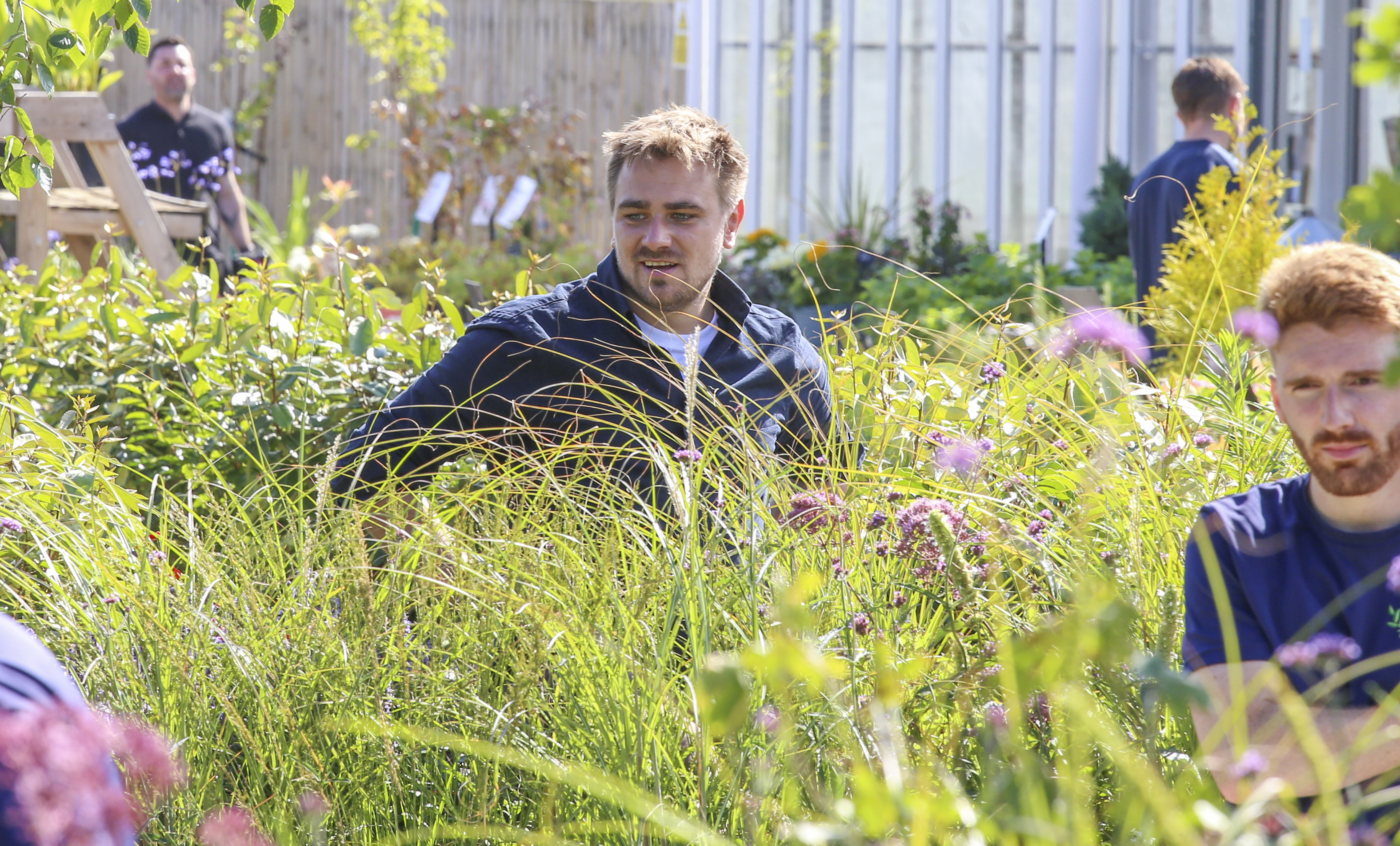
“Introducing these plants and their soft, muted colours and textures, which were chosen to reflect the Scottish landscape, will help bring natural calm and a sense of place to the project.
“A core part of what we do here is fostering connections between people and our environment.
“For us to be the beneficiary of the garden is hugely important. It will have so many benefits for people with learning disabilities, autism and additional support needs.”
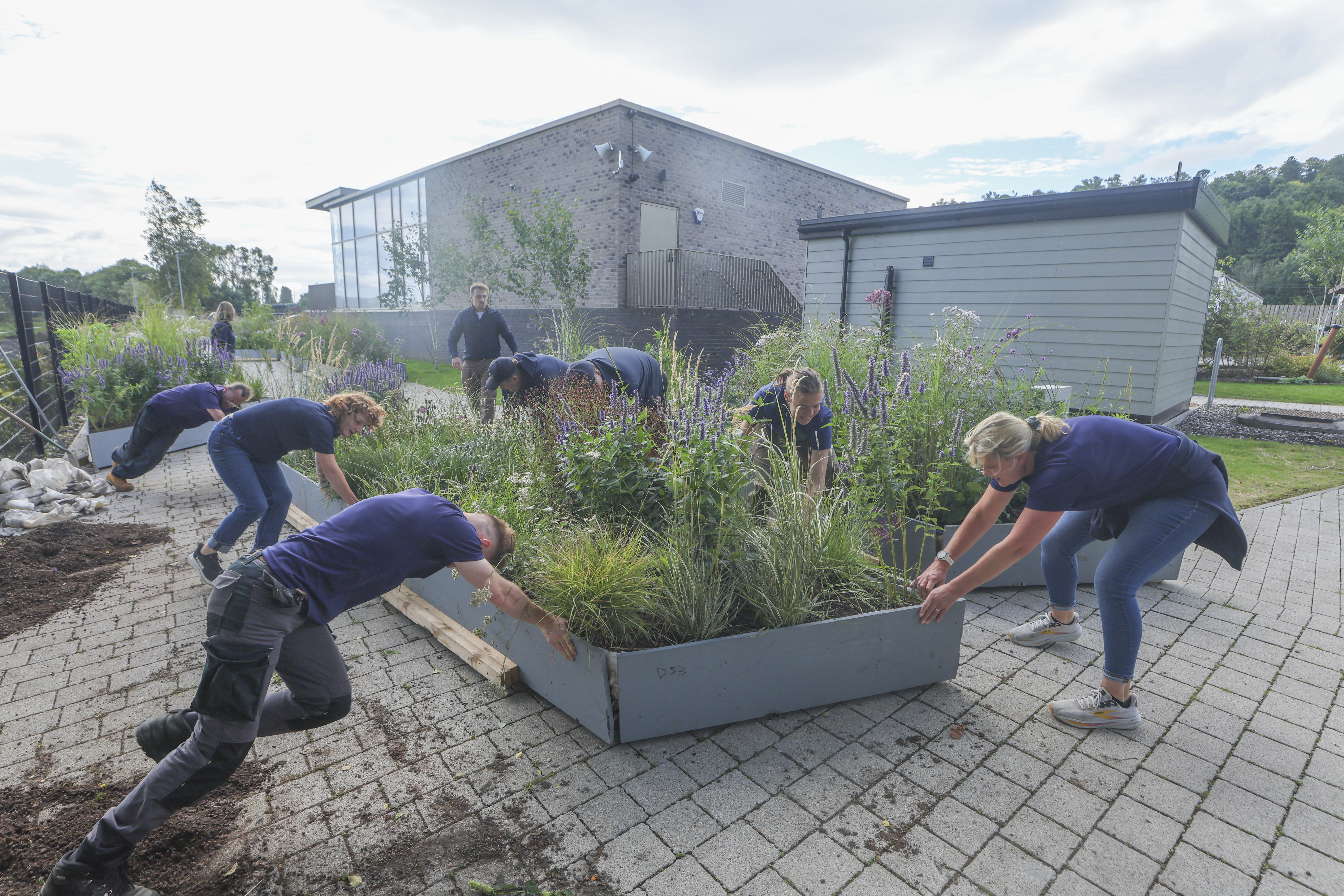
It took two trucks and two fork lifts to move the 200sqm living installation down the M8 from Glasgow to Port Glasgow in segments containing around 2,400 peat-free perennials, live trees and shrubs.
It had originally been constructed in planters, on wheels to allow for it to be removed from the arena in two minutes before dancers and singers took to the stage.
Gemmell said: “It’s a big garden, but we adapted to make it work because it’s such an exciting opportunity for the charity.
“It brings everything together that we care about - horticulture, inclusion and education, and using opportunities like this to ensure our community receives the wider benefits from it.”
The charity provides training, work experience, supported employment, recreational and social facilities for adults and children with learning or physical disabilities.
It also supports people with mental health problems, school leavers, the unemployed, elderly and other community groups.
Sharon said: ““The plants will need to be maintained and cared for and we are really excited not only about the impact they will have on our site but also the work and training opportunities having the garden will bring, because someone will have to look after these borders, learn about the plants they’re working with, how to care for and maintain them and how to propagate those plants.”
The charity plans to share propagated plants from the garden with other community groups in the area.
Sharon said: “It’s also important to us that we tell the story of this garden and how it came to be here in Port Glasgow.”

She added: “We were totally taken aback when we were invited to rehearsals, and seeing the impact of it on TV during the ceremony was incredible. It looked stunning, so naturally beautiful. We’re so excited to have it here.”
Designer Amalie White said: “It’s rare for a piece of set design to have a life beyond the stage, but because this was created using living plants, it was always our ambition that it would find a permanent home in Scotland, growing and flourishing long after the games.
“It was the first thing audiences encountered as the opening ceremony began, a landscape where a global community came together, connecting with Scotland, nature, and ultimately one another.
“The fact that it will now continue to thrive in Port Glasgow, beyond the Games, where it can be enjoyed by the people who work in and visit the space, is a fitting next chapter in its story.”
Louisa Mahon, Chief Marketing Officer for Glasgow 2026, said: “We’re delighted that the Scottish Nature Garden has found a home in Port Glasgow, a town which has such strong links to Glasgow.
“It’s great to know it will help the brilliant work being done at Parklea Branching Out. It’s such a fitting legacy for these Games.”