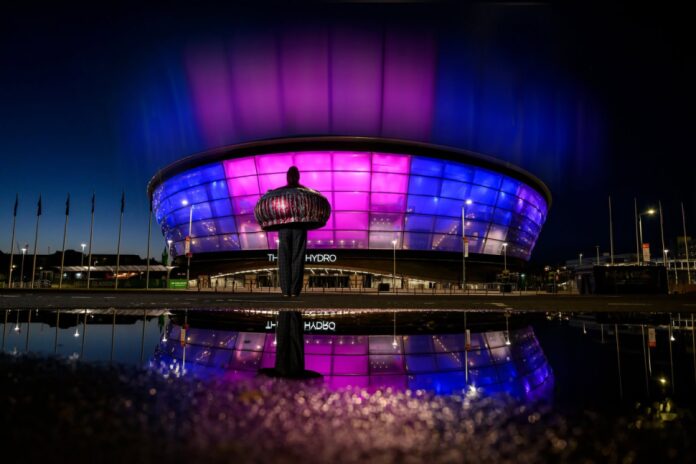
It was the Games which might never have been - now Glasgow 2026 is being hailed as the event which saved the Commonwealth Games and delivered a major economic boost for both Glasgow and Scotland.
A new academic report into the Games, held across Glasgow over 11 days in July and August, has found this summer’s event generated £223m of economic activity across Scotland with Glasgow City Region benefitting from a £158m boost.
Scotland’s largest city stepped in to stage the Games in October 2024 after the Australian state of Victoria withdrew, with Glasgow capitalising on the legacy and success of hosting in 2014.
The report also found that this summer’s 23rd Games delivered a timely boost for Glasgow’s self esteem, with one million people engaging with the event in person across the city. A survey carried out as part of the evaluation found the Games significantly restored city pride - and showcased Glasgow internationally, reaching a global broadcast audience of 510 million.
A total of 2,749 athletes competed across 10 sports, with six world records and 152 Commonwealth Games records set.
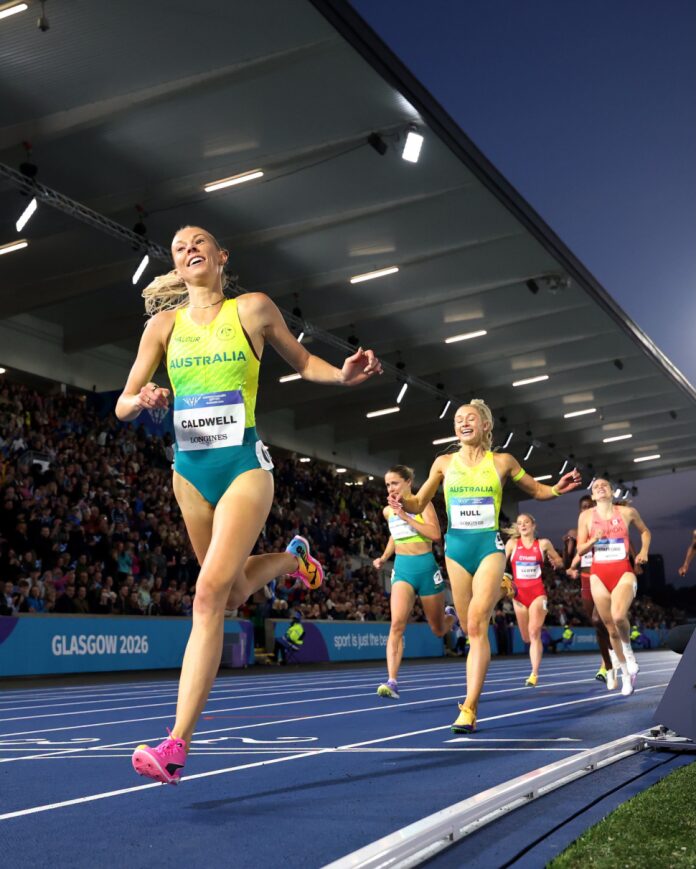
The two week event was also the first to include Para-sports as part of the main programme. Wheelchair basketball silver medallist player Robyn admitted making the podium at the Games was “the stuff of dreams.”
She said: “Glasgow 2026 will live with me for the rest of my life. I’ll never forget the noise of the Scottish crowd when we won the semi-final to go into the gold-medal game, and to have my little girl there in the stands capped it all.
“We had 10 days together in preparation, so it’s absolutely incredible what we were able to achieve. Obviously, the result was outstanding for us but the Games as a whole were a joy to be a part of. It’s just great that so many people rose to the occasion - athletes, staff, volunteers and everybody around Glasgow - to make it the fantastic Games it was.
“I hope the visibility that the Commonwealth Games gives, particularly to Para sport, means others may find and benefit from sport earlier than I did, and that the inspiration provided by Glasgow 2026 lives long into the future.”
Wheelchair racer Melanie Woods said: “I was so proud to be able to represent Team Scotland in my home city. Glasgow came alive during the Games and there was a great atmosphere everywhere you went.”
The teacher, who won double gold at Glasgow 2026, praised the city for pulling the Games back from the brink.
She said: “Glasgow really rose to the occasion and everyone got behind all the athletes and the Games themselves which meant a lot.
“The fact that such a successful event was able to come together so quickly is something for the city to be proud of, and exciting for the future of the Games too.
“I think it proved a point not only about itself, but about the way the Commonwealth Games can work in the years to come.”
Team Scotland Pommel horse bronze medal winner Cameron Lynn said: “ As a professional athlete training and preparing for an event like the Games is no small feat. It was a real honour to compete in front of my friends and family and represent my country. Glasgow provided an incredible Games experience and I will always be grateful.
“I am sure the city will be remembered for hosting a great event and establishing a reimagined Commonwealth Games.”
Glasgow 2026 Chief Marketing Officer Louisa Mahon said: “True to its heritage, Glasgow delivered something that might just change the world of major events - a place-based event model. One that proves that many more cities and nations can host Games in future.”
Glasgow also delivered a significant Games first in renewables, with all sporting venues running entirely on green energy, from Scotstoun stadium in the west end to the Glasgow International Arena and Tollcross Pool in the east. Both venues, as well as Glasgow International Arena in Parkhead, benefitted from a £5.7m investment, which will help nurture the future starts of the Games.
The independent study was delivered by The Bulb, a sustainability and impact organisation specialising in major events, with the University of the West of Scotland’s Centre for Culture, Sport and Events.
Glasgow 2026 Chief Executive Phil Batty added: “Glasgow showed what can happen when you build a Games around the strengths of a place and the people who make it special.
“This report is evidence that we delivered great sport and a proud Glasgow welcome, while creating opportunities for people across Scotland to be part of something altogether brilliant.
“Our ambition was for a more sustainable Games and we’re proud of what we achieved in Scotland on behalf of the whole Commonwealth.
“By sharing both our successes and the lessons learned, we have left a valuable legacy which will inform and strengthen future editions of the Commonwealth Games.”
Ian Reid, Chair of Commonwealth Games Scotland, said: “Two years ago, when the future of these Games was uncertain, we believed Scotland could step forward and lead to provide a solution that could not only reset and secure the future of the Games but also deliver an outstanding event in a responsible and sustainable way, while showcasing our athletes on the world stage. Glasgow 2026 made this a reality.”