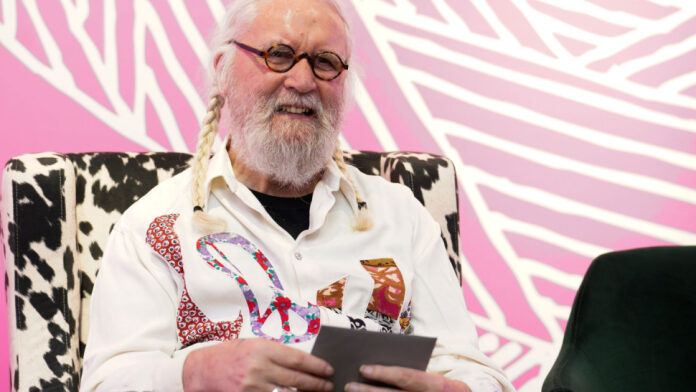
Sir Billy Connolly has expressed his delight that the Kelvingrove Art Gallery and Museum in Glasgow will stage an exhibition dedicated to his life and career. Tickets will go on sale early next year for a display that tells the story of his career.
Announcing Billy Connolly’s Big Wee Exhibition, taking place in June 2027, the comedian and actor said: “Glasgow Kelvingrove Art Gallery and Museum are having a special exhibition about my life, my times, my clothes, my comedy and you’re very welcome to come along and have a laugh.
“It’s the most extraordinary place, and it’s very dear place in my heart. When I think of it, I think of Salvador Dali and then how you can arrive at Billy Connolly from that I don’t know. If you’re bored with it, there’s a special restaurant there who have the best chips in town. Be my guest come along.”
A Glasgow Life spokesperson said: “We’re very excited to be working on this fabulous exhibition for the city. What could be better than celebrating a Scottish national treasure, Sir Billy Connolly, in Glasgow’s very own treasure trove, Kelvingrove Art Gallery and Museum? We look forward to sharing more details soon about the opening date and what you’ll get to see in the exhibition. Watch this space!”
Billy Connolly’s relationship with Kelvingrove Art Gallery and Museum began long before he became one of Scotland’s greatest entertainers.
Growing up in Anderston and Partick as a young child, Connolly was regularly taken to the museum by his family. The Sunday visits offered him a first encounter with art, history and a world that appeared far removed from the streets of post-war Glasgow.
“I’ve known Kelvingrove since I was a wee boy,” he said while introducing a personal audio tour of the museum.
The scale of the red sandstone building made an immediate impression. Connolly remembers its grand entrance, galleries and exhibits as part of the landscape of his childhood.
“That frontage is tattooed on my brain, and it stays with you forever,” he said. The museum, he recalled, felt alive and was somewhere he regarded as a place of entertainment rather than a formal institution.
He explored the suits of armour, wandered among the museum’s stuffed animals and slid across its tiled floors in his socks.
Kelvingrove’s famous elephant and tiger were among the objects that stayed with him, but it was the building’s ability to show a working-class Glasgow boy what people could create that mattered most.
“Museums show you, close up, what can be done by human beings,” Connolly said. “I loved it. And I love it still.”