Scotland’s 12 best golf courses ranked: From hidden gems to world-famous links
Scotland is the undisputed home of golf, boasting some of the most celebrated and noticeable courses in the world.
From the mythical links of St Andrews to the natural beauty of the Highlands, the country is blessed with hundreds of wonderful golf courses that attract visitors from across the world.
According to Scottish Golf, the national governing body, there are 580 member clubs in the country. With a total population of 5.5 million, that means there is a golf course for every 9,500 people. Aside from Iceland – one golf course for every 5.500 people – Scotland has more golf courses per head of population than any other country.
Simply put, Scotland lives and breathes golf.
Given the many fantastic golf courses to choose from, deciding which is Scotland’s finest is certainly no mean feat.
Does an Open Championship venue steeped in history such as the Old Course or Carnoustie deserve to top the rankings? Or does Royal Dornoch, with its stunning setting and architectural genius, pip other more historic courses to number one?
Taking into account various factors including championship pedigree, history, scenery and overall architectural brilliance, we at Scottish News have ranked 12 of Scotland’s best golf courses.
There are going to be a few controversial selections, but that’s what makes ranking Scotland’s greatest courses such an enjoyable, and difficult, task.
St Andrews: Old Course
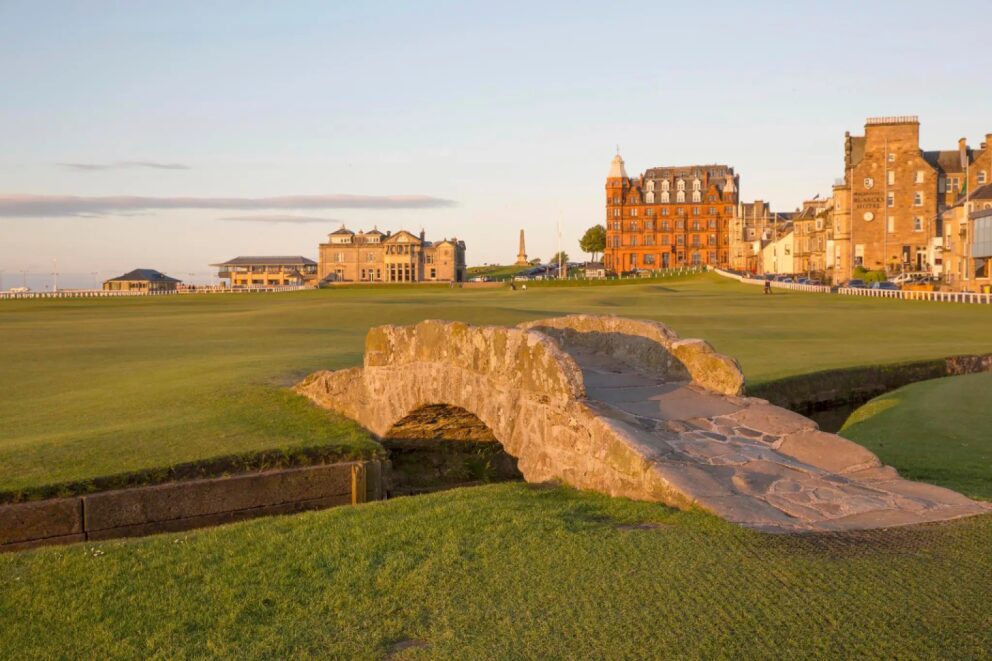
What else is there left to say about the Old Course that hasn’t already? Yes, there might be more scenic courses - Royal Dornoch & Turnberry spring to mind - and more difficult links such as Carnoustie, but there is something about the ‘Home of Golf’ that stirs up magic to anyone that makes the pilgrimage to St Andrews. "There are those who do not like the golf at St Andrews," wrote esteemed golf writer Bernard Darwin in 1910. "And they will no doubt deny any charm to the links themselves, but there must surely be none who will deny a charm to the place as a whole. It may be immoral, but it is delightful to see a whole town given up to golf; to see the butcher and the baker and the candlestick maker shouldering his clubs as soon as his day's work is done and making a dash for the links." Where to start? The Old Course’s playability is certainly one of its most redeeming features. It isn’t the hardest of courses by any means, making it fun for even the average golfer who wishes to tee it up. Undulating terrain, seven double greens that serve hole numbers which combine to make 18 and bunkers, 112 to be exact, ensure that it can still pose a tough test if one doesn’t plan properly, especially when the wind sweeps in from the Eden Estuary. The majority of the holes are manageable. The 17th, however, is anything but. The Road Hole presents one of the most famous challenges in the world of golf: a blind tee shot over the Old Course Hotel, followed by an approach to the green that requires near perfection. Missing the green to the left brings the infamous Road Hole bunker – which is six feet deep – into play, while missing right means your ball could end up on the gravel or next to the stone wall at the right hand side of the green. Whatever happens on 17, the walk over the Swilcan Bridge and up the 18th fairway is one of the greatest walks in golf. Greats from Bobby Jones to Tiger Woods have won the Open Championship at the Old Course, which has staged the tournament a record 3 times. A 31st staging is set for 2027. St Andrews is golf for the soul and the Old Course is its deepest expression. It doesn’t get much better than that.
© VisitScotland / Kenny LamTrump Turnberry: Ailsa Course

Turnberry’s Ailsa Course takes second spot in the rankings, despite the intervention of politics in recent years. Donald Trump purchased the hotel and course in 2014 and following the 2021 United States capital attacks, the R&A announced that the Open Championship wouldn’t be held at Turnberry as long as Trump remained. Putting the politics to one side, the Ailsa Course is remarkable, especially after the renovations by Martin Ebert of Mackenzie & Ebert in 2015 and 2016. Millions was spent in creating new par-3 holes at the 6th and 11th, while several other holes were converted into par-5s and a particular focus was placed between holes 12 and 17. Each and every green and bunker was reconstructed throughout, showcasing how big a renovation it turned out to be. Turnberry’s place in golfing folklore was secured in 1977, with the course hosting its first Open Championship. Tom Watson and Jack Nicklaus battled it out across the links in what turned out to be one of the finest showdowns in the history of the game. Watson sealed a one-shot win over his rival in what became known as the ‘Duel in the Sun’. In total, Turnberry has hosted four Opens, with Greg Norman, Nick Price and Stewart Cink claiming the coveted Claret Jug in Ayrshire. The latter prevented Watson, then aged 59, from a fairytale victory in 2009. Championship pedigree aside, Turnberry’s finest asset is the setting. With breathtaking views out to Ailsa Craig, plus the iconic lighthouse a feature near the coastline, Turnberry delivers drama most courses don’t match. There is only one course that can surpass the experience of playing Turnberry…
Trump TurnberryMuirfield
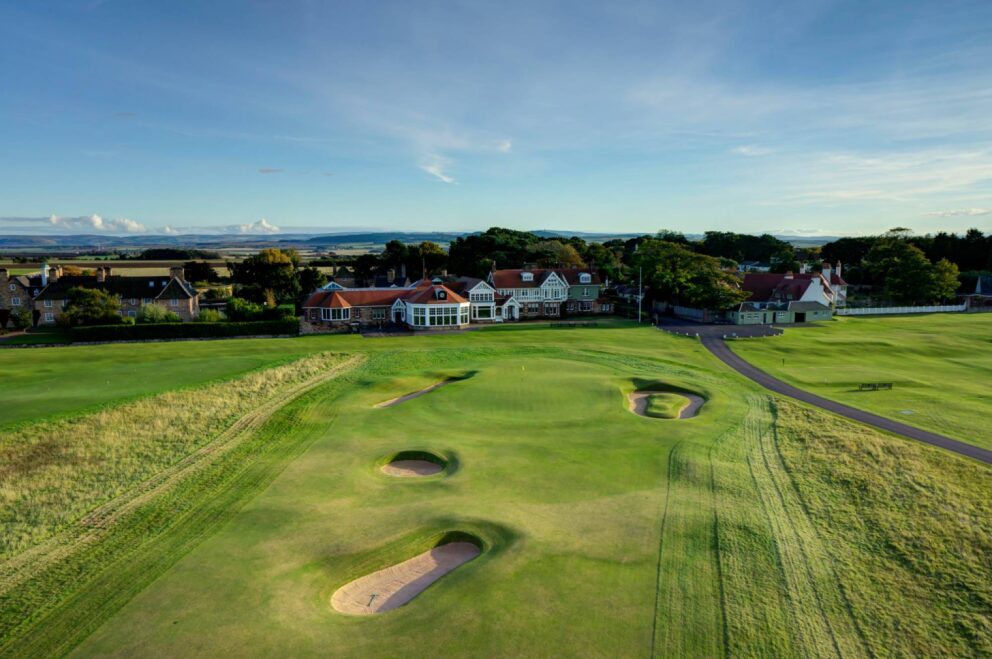
Muirfield takes third spot in this ranking and it is a shame that the Open Championship hasn’t been held here since 2013, although the Women’s British Open was hosted by the course in 2022. Indeed, aside from St Andrews, Muirfield features arguably the greatest roll call of Open champions. Ernie Els, Nick Faldo (twice), Tom Watson, Jack Nicklaus, Lee Trevino, Walter Hagen and Harry Vardon have all won the Claret Jug here. Most links courses in this list feature an out-and-back layout, with the front nine taking you out along the coast before the back nine leads back towards the clubhouse. Muirfield’s layout, however, is two loops of nine. The outward nine goes clockwise, while the inward nine anticlockwise, meaning that the wind changes across every hole, increasing the challenge for those playing the course. To add another string to its bow, Muirfield is also the home course of “The Honourable Company of Edinburgh Golfers” (HCEG), which according to written evidence, is the world’s oldest golf club, formed in 1744. With a collection of superb holes, a list of champions only St Andrews could rival and a truly unique links layout, Muirfield lives up to the hype in more ways than one.
Visit East LothianRoyal Dornoch Golf Club: Championship
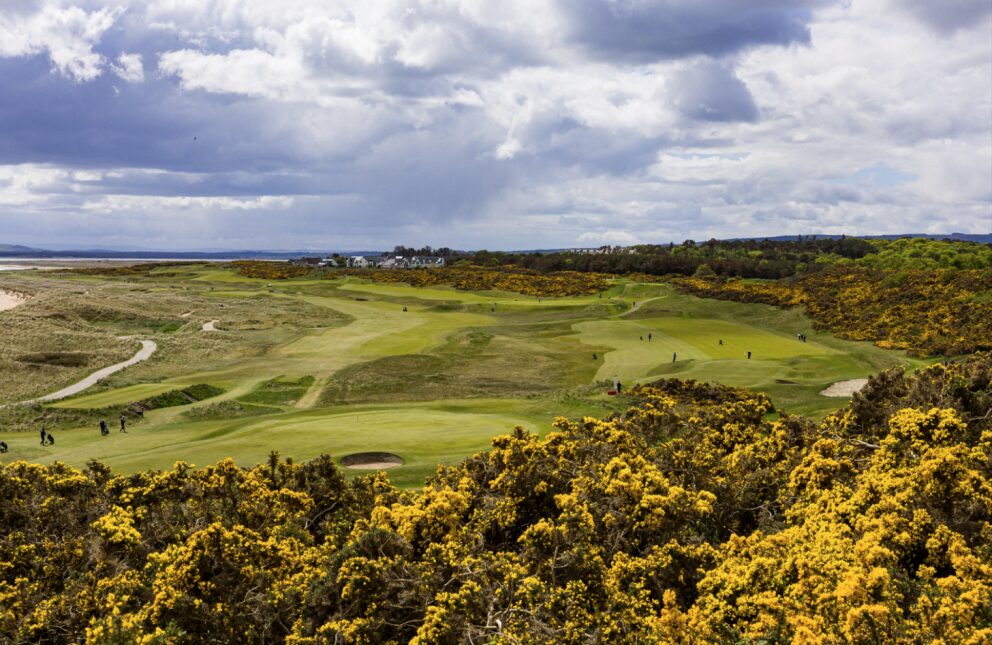
Nestled just 80 miles from John O’Groats, Royal Dornoch Golf Club is one of Scotland’s true gems. It is said that golf has been played at Dornoch since 1616, although it was Old Tom Morris who renovated the original 9-hole course, before extending it to 18 a few years later. Former Open champions J.H. Taylor and George Duncan added more renovations throughout the years. The course is a typical out-and-back links layout, with one key feature throughout – plateaued greens. This makes Royal Dornoch far more challenging than normal links course, in that players simply cannot use the terrain to their advantage by chasing shots up the fairway to the putting surface. That, however, is what makes this course one of the finest in Scotland. Famed golf architect Donald Ross was born in Dornoch and was the head greenkeeper at the club. Several of his designs over the world, including Pinehurst No.2, have similarities to Royal Dornoch. When five-time Open champion Tom Watson states that “it’s the most fun I’ve ever had on a golf course”, you just know the course is special. Holes three to five are a particular highlight, while the 14th is a long par-4 which features a domed green, requiring an accurate approach shot to hold the putting surface. Not the easiest of tasks with gusts coming in off the North Sea!
Getty ImagesCarnoustie Golf Links: Championship
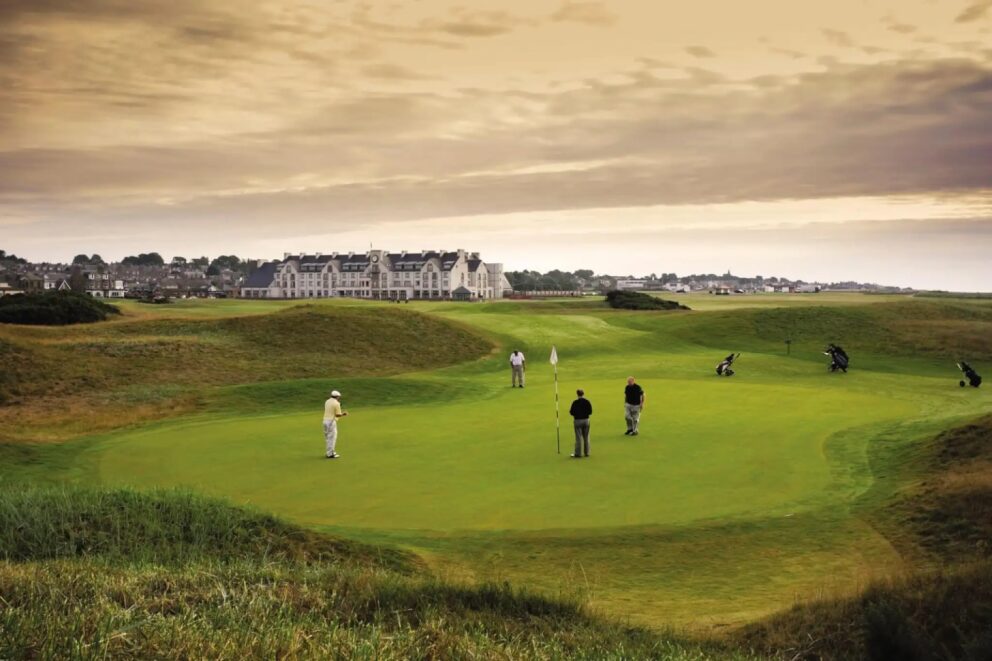
There are more beautiful courses on this list, but in terms of sheer difficulty, nothing quite beats Carnoustie. Often credited as the toughest course on the Open rota and with history to boot, the Angus Links could arguably lay claim to being ranked higher. Old Tom Morris laid out the first 18-hole course here in 1857 and while it was extended by five-time Open winner James Braid in 1926, there has been minimal changes since. The defining feature of Carnoustie is its brutal finish. The final few holes will either make or break you, just ask Jean Van de Velde. The Frenchman could afford to make a double-bogey and still walk away with the Claret Jug in 1999. Instead, he found the snaking Barry Burn on his third shot and ended up taking a seven, losing in the resulting playoff. Indeed, the final four holes might well be the toughest finishing stretch in the British Isles, especially with the Barry Burn meandering its way across the last few holes. There aren’t too many sea views, meaning Carnoustie fails to really offer much in terms of picturesque scenery. That, however, is the only downside in what is a golfing test that everyone must attempt at least once.
Visit ScotlandNorth Berwick Golf Club: West Links
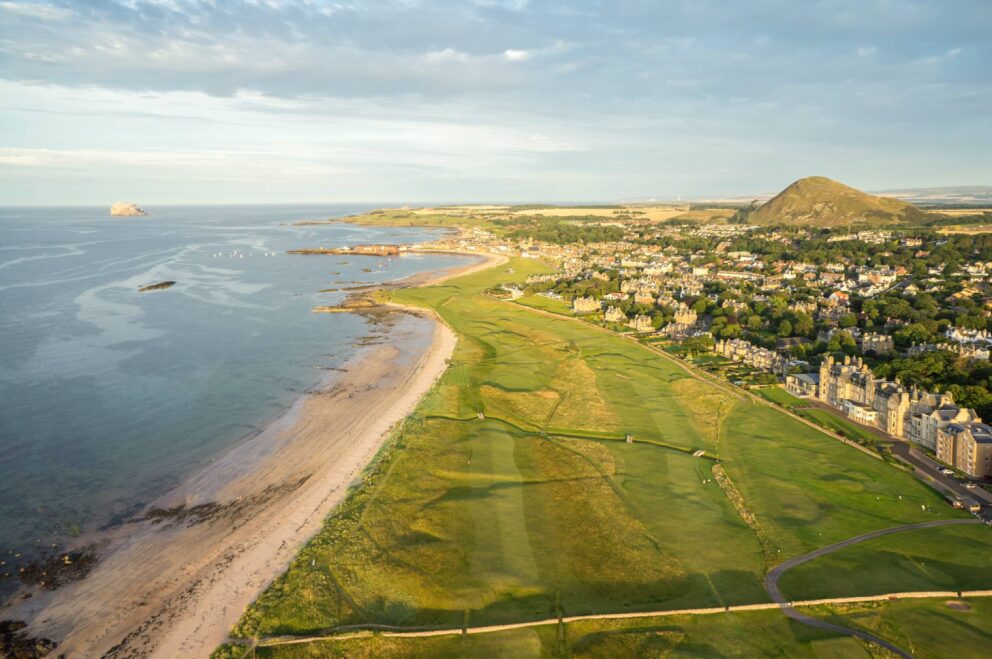
The majority of links courses in Scotland feature gorgeous scenery and exquisite views, but North Berwick’s West Links course offers some of the best in the country. Views of the Bass Rock and Craigleith Island are visible throughout the course due to it sitting above sea level, making the experience even more scenic. Although early forms of golf were played here during the 17th century, it wasn’t until 1832 that a proper course began to be designed and 1932 for the current iteration of the course to come to fruition. Good things come to those who wait and West Links features a truly superb collection of holes, offering even the most astute golfer a challenge. The 13th is a particularly eccentric hole in which the green – the smallest on the course – is guarded by a stone wall. Failing with your approach shot means golfers face a complex little chip over the wall in what is surely one of the strangest shots in golf. A couple of holes later, golfers are faced with one of the world’s most famous holes. The par-3 15th is called Redan, an old military term meaning ‘guarding parapet’ and this hole has plenty of defences which make birdie a difficult score. The green slopes away from you, while a large bunker guards the left hand side of the green. Three further bunkers are located to the right hand side of the green, making it a daunting hole, especially if played downwind. Combined with beautiful views across the Firth of Forth, North Berwick justifies its high ranking in this list.
Visit East LothianKingsbarns Golf Links
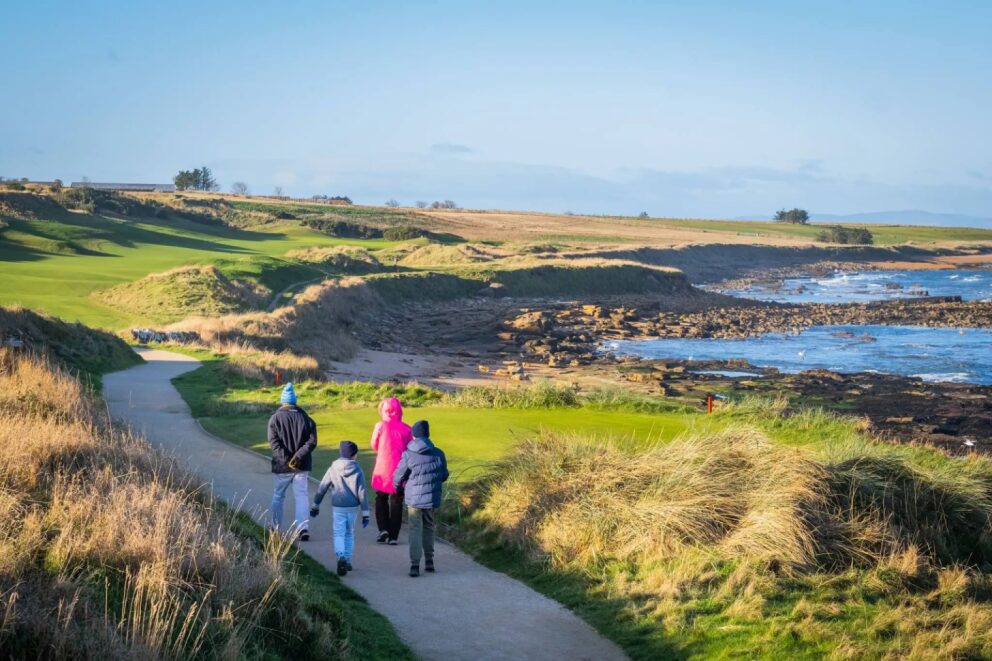
Kingsbarns only opened in 2000, but just one glance at the sprawling links on the Fife coast, it appears as though the course has been there for centuries. Indeed, golf historian Bobby Burnet stated that golf had first been played at Kingsbarns towards the end of the 18th century, but it was Kyle Phillips who designed the current layout at the start of this century. Located just six miles from St Andrews along the coast, there are views of the North Sea from every hole and it has packed a lot into its 26-year existence. The course co-hosts the annual Alfred Dunhill Links Championship alongside the Old Course and Carnoustie, while it has even hosted a major championship – the 2017 Women’s Open. It might lack the magic of the Old Course, or even North Berwick or Carnoustie, yet that shouldn’t deter anyone from playing Kingsbarns.
Visit ScotlandRoyal Troon Golf Club
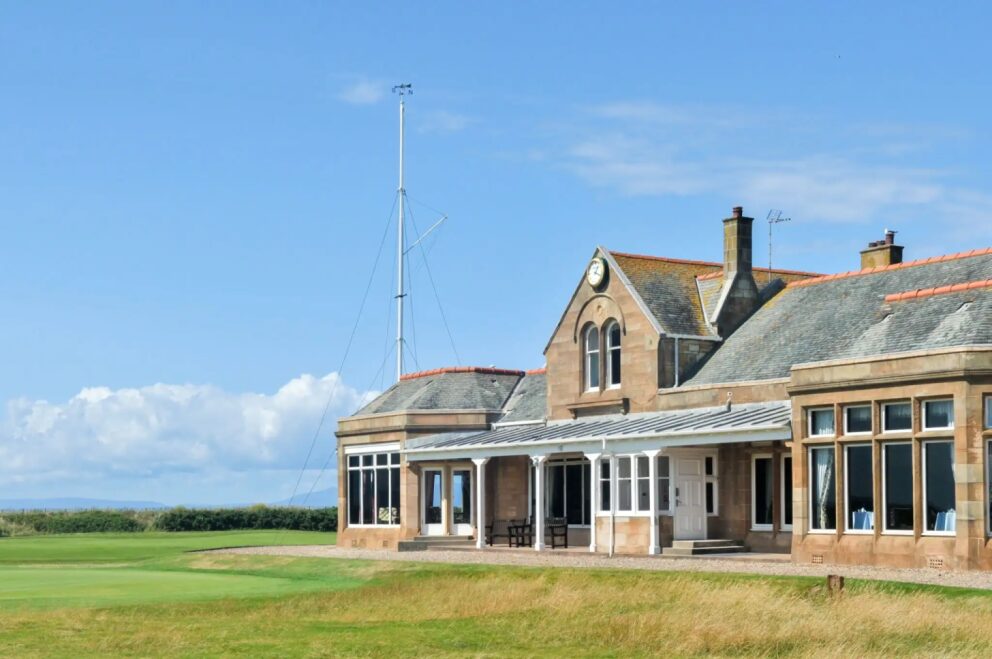
Royal Troon is one of the courses on the Open rota, but it certainly isn’t a classic compared to the others. "The course at Troon is perhaps a little overshadowed by its more famous neighbour," Bernard Darwin, the respected golf writer, wrote in 1910, although it does have several quirks. One is the eighth hole, named the Postage Stamp. Measuring at just 123 yards, it is the shortest par-3 on the Open rota and has seen many memorable moments throughout the years. Tiger Woods triple-bogeyed the hole in 1997 to derail his chances of glory, while a 71-year-old Gene Sarazen hit a stunning hole-in-one during the 1973 Open. Another is the challenging 11th hole. Named Railway, this 498-yard par-4 begins with a blind carry over dreaded gorse. If that isn’t tough enough, there is out of bounds down running along the railway on the right. The green is diminutive in size, making for a tricky approach shot. Par is considered a great score here. Troon is a wonderful course, but its stature among the other Open venues warrants this ranking.
Visit ScotlandCruden Bay Golf Club
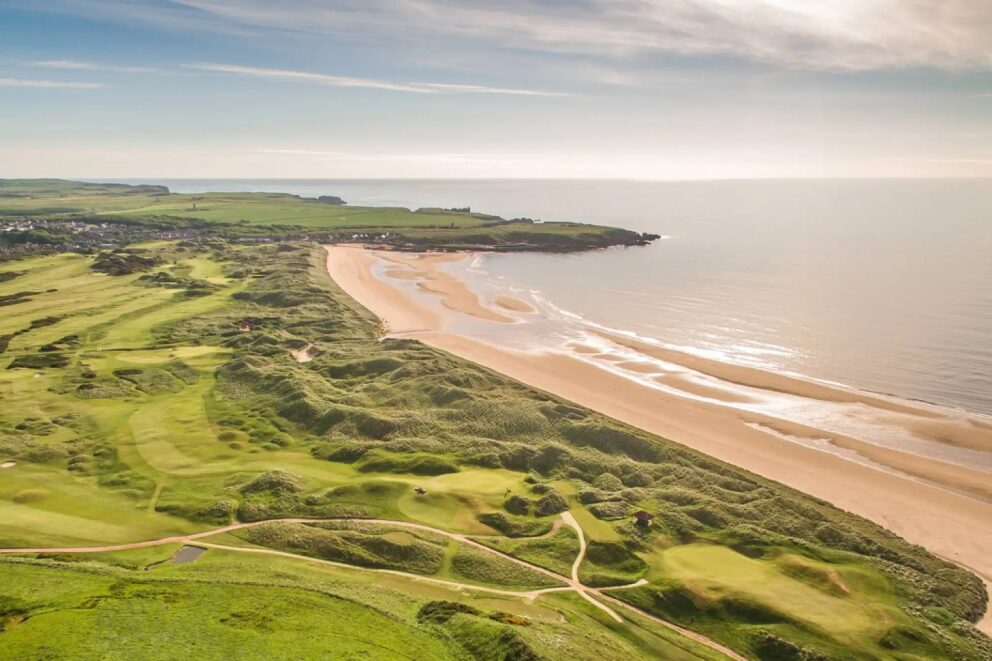
There are no shortage of stunning courses to play in Aberdeenshire, but Cruden Bay Golf Club pips Trump International Golf Links to rank ninth on this list, purely because of its rich history. Old Tom Morris and Archie Simpson designed the course in 1899 and while there has been a few minor renovations since, several of the original greens have been kept and Morris’ influence can still be felt. Set against the backdrop of the North Sea, Cruden Bay has a unique figure of eight design which winds through dunes so high that most of the holes are secluded from each other, adding to the mystery. The fourth hole is arguably Cruden Bay’s finest. Named Port Erroll, due to views of the old fishing village visible at the back of the green, this par-3 plays into the wind. With dunes to the right and a river to the left, only an accurate tee shot will reach the green. While there are more climatic finishes in Scotland, Cruden Bay presents a true links test on a course dating back over 125 years. What’s not to like?
Visit ScotlandPrestwick Golf Club
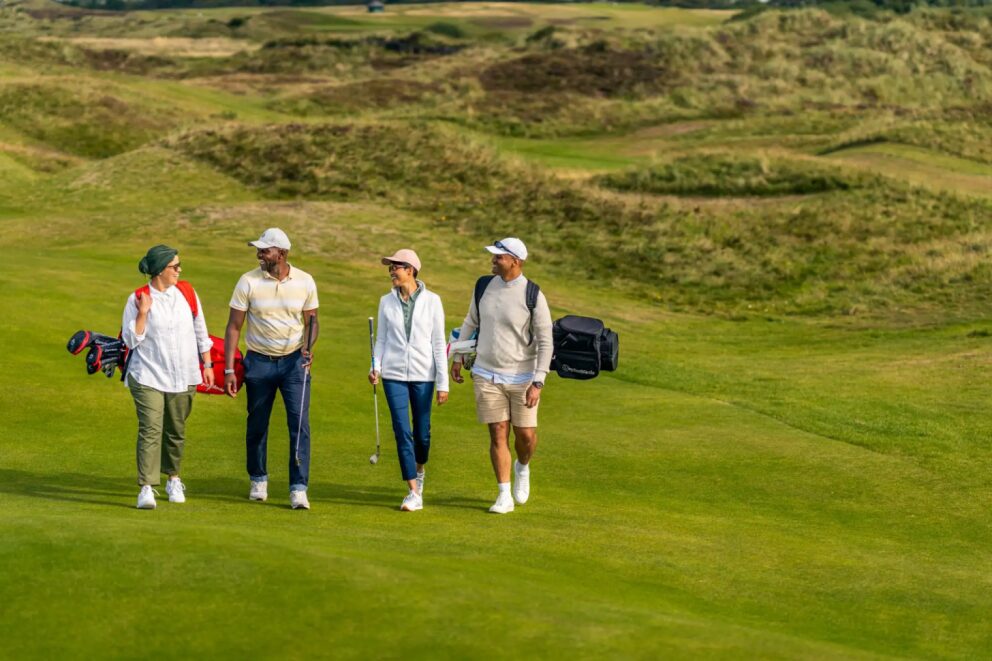
Prestwick Golf Club is steeped in history and it holds the unique distinction of being the very first course to stage the Open Championship in 1860. Indeed, the Ayrshire course hosted the first ten editions of golf’s oldest major and was played here 24 times between 1860 and 1924. Old Tom Morris originally designed a 12 hole course, but that expanded to 18 in 1882. Although Prestwick has undergone several renovations since then, six of the originally greens are still used today. The first hole here challenges Machrihanish as one of the most famous opening tee shots in the country. Rather than the beach or sea being an obvious distraction, however, there is a railway line running all the way down the right side of the 1st. There isn’t a single bad hole throughout Prestwick’s layout, with the par-5 third standing out. Featuring a sharp dogleg to the right and the monstrous Cardinal Bunker – roughly 50 yards across – a par on this hole is not to be sniffed at. Add in the Pow burn running down the entire right hand side of the hole, the third is a classic risk or reward par-5. The Open hasn’t been held at Prestwick since 1924 due to the ever-increasing challenges faced by logistics of more people watching the tournament. The course has its place in the history books, though, and is a must play for any links loving golfer.
Visit ScotlandMachrihanish Golf Club
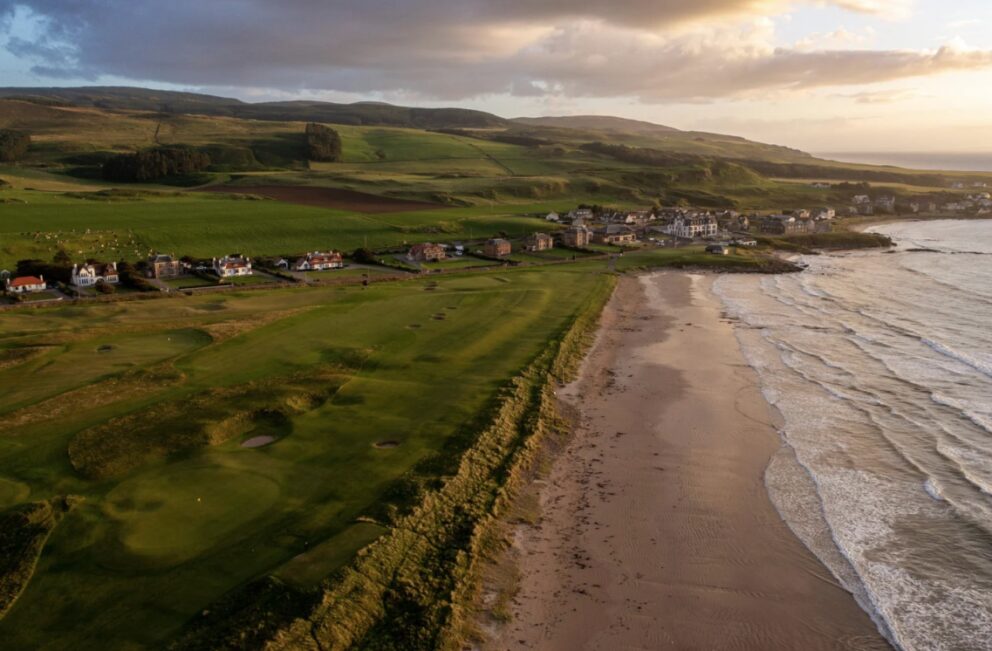
If Loch Lomond is one of the newest courses on this list, then Macrihanish is the most remote. Situated on the southern end of the Kintyre Peninsula, it is around a three-hour drive from Glasgow, although Old Tom Morris had to take a train, a steamboat and then a long carriage ride just to reach the course. How times have changed! Nevertheless, anyone who plays the course is rewarded with a picturesque setting that more than lives up to the hype. The jewel in the crown is arguably the opening hole, which features one of the finest tee shots in Scotland. To your right lies the village of Machrihanish. To your left, the beach and the tides of the Atlantic. Machrihanish shouldn’t be judged by the opening hole, however, as the first nine offers plenty of blind tee shots and undulating dunes aplenty, while the rough isn’t too punishable. Holes 13-18 don’t have quite the same allure as the opening 12 holes, but that mustn’t take away the shine from the course as a whole. Machrihanish’s remoteness is part of the fun and the course is deserving of its place on this list. A pilgrimage golfing fanatics must make.
Machrihanish Golf ClubLoch Lomond Golf Club
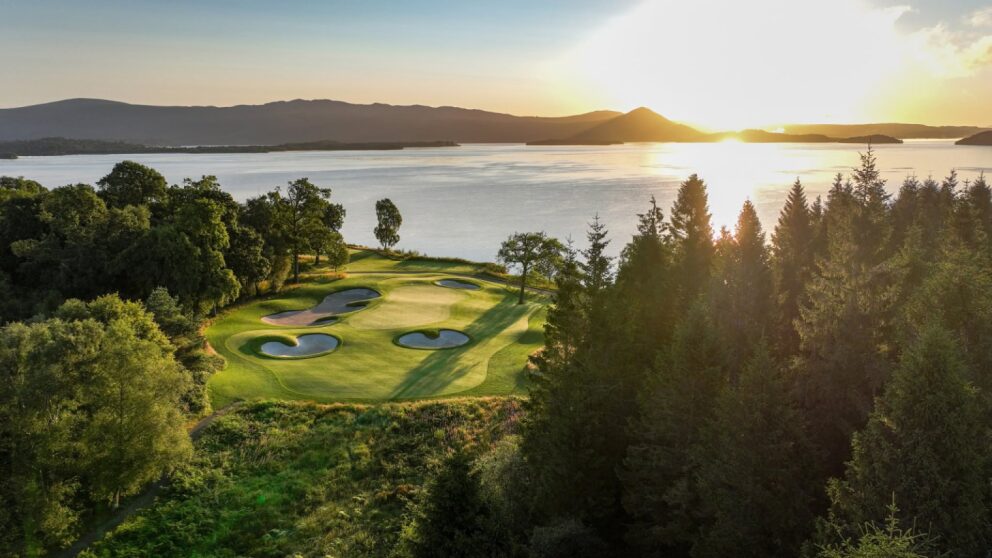
Loch Lomond may be the second-newest golf course on this list, opening in 1992, but that shouldn’t deter from how spectacular it is. Designed by Jay Morrish and Tom Weiskopf, the opening nine holes are set largely by the loch, before the closing nine turns to a more traditional parkland setting until the course returns to the water for an exciting finish. The gorgeous setting is why Loch Lomond has sealed 12th place in this list, with the views across Loch Lomond making for an extraordinary round of golf. While this course doesn’t have the same championship pedigree as many others on this list, the Scottish Open was held here between 2001 and 2010, while Team Europe won the 2000 Solheim Cup at this course. Perhaps the only downside is that securing a round at Loch Lomond is a difficult task, having to rely on playing with a member of the club. Despite this, Loch Lomond should be on everyone’s bucket list.
Loch Lomond Golf Club