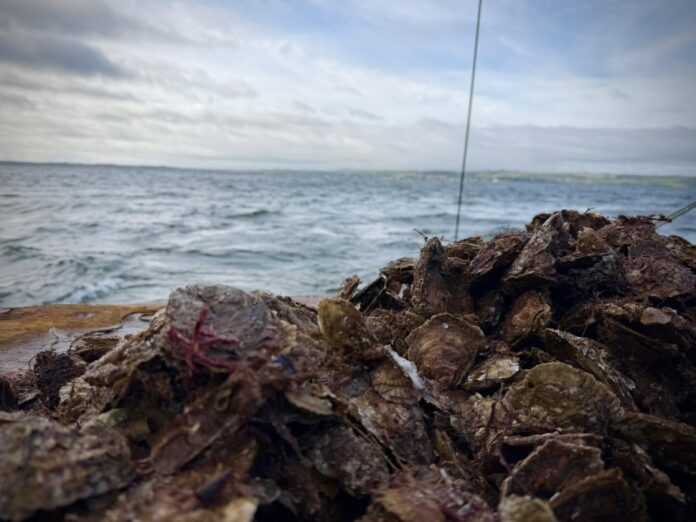
Researchers have used Gaelic and Scots place names to identify historic oyster-bed locations on Mull and Lewis.
The team first identified a site on Mull, followed by a second site on Lewis two years later.
The findings came from Project Eisirean, which brought together ecologists, environmental researchers, Gaelic specialists, and education experts from the University of Glasgow and local community organisations to examine links between language, traditional knowledge, and marine habitats.
After identifying the two locations, the team widened its research including place names associated with potential oyster habitats, including sandbanks.
Researchers then assessed whether the locations could support oysters by examining environmental conditions including seabed type and water flow.
The team said the findings could help identify suitable restoration sites and support efforts to rebuild Scotland’s depleted native oyster populations.
Dr Anna McGregor, a University of Glasgow lecturer and coastal ecologist, said: “This is an exciting outcome, for a project that started off looking for the historic distribution of oysters along the West Coast.
“We thought that, as native oysters are now rare throughout Europe, there is a way to look where they used to be, using people’s memory and understanding that can come through place names.”
McGregor said: “What we are hoping is to connect knowledge of the past, where shellfish was an important part of people’s diets, to future improvement; we want to look where shellfish used to be, where groups had a connection with them, and develop that again.
“Seeing the oyster life cycle can help people understand why it’s important to keep them in the wild and then get the numbers back up to levels where we can harvest them for lots of purposes.”
The research team is now trialling a mobile oyster hatchery in Millport that could supply larvae to coastal communities and support oyster-bed restoration before the initiative expands to other areas.
The Native Oyster Restoration Alliance (NORA) coordinates projects across Europe to restore flat oyster reefs.
Hein Sas, secretary of NORA, said: “The Eisirean project can serve as an example of other projects on how cultural heritage can help to identify suitable restoration sites.”