By lunchtime, the numbers that will help shape Scotland’s finances for the next year will begin to become clear.
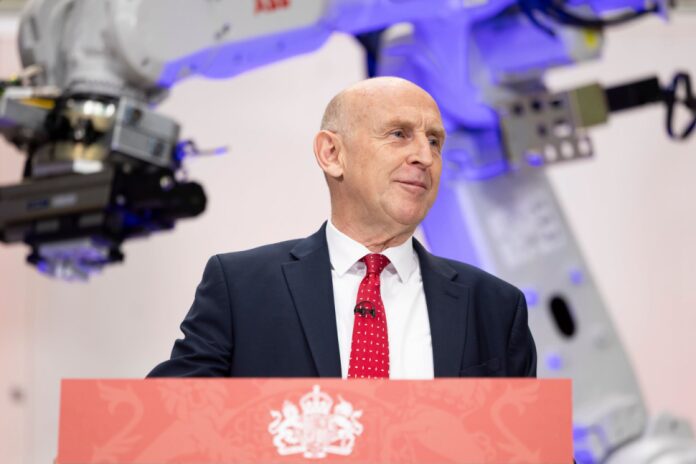
Chancellor John Healey will stand at the despatch box at Westminster at around 12.30pm today (Wednesday 28 October) to deliver his first Budget since taking over at the Treasury. It comes within a swirl of challenges and turmoil in the economy.
Inflation has remained stubbornly high, energy costs have risen again and government borrowing is running above previous forecasts. The Office for Budget Responsibility will publish a new assessment of the economy alongside the Budget, with its forecasts likely to determine just how much room the Chancellor has to adjust spending.
Public sector borrowing was £1.9 billion higher than forecast in September, while the government is also facing higher debt interest costs. Healey has promised to stick to his fiscal rules while creating a buffer against further economic shocks.
For Scotland, UK-wide decisions on energy, welfare, fuel duty, alcohol duty and North Sea taxation could have an immediate impact on Scottish households and businesses.
The Scottish Government will publish its own Budget on 3 December. Until today’s UK Budget is complete, ministers in Edinburgh do not have the final picture of the money available to them under the Barnett formula.
Holyrood has already warned that it expects a real-terms reduction in Scotland’s block grant in 2027-28 under existing UK spending plans.
Social Justice Secretary Shirley-Anne Somerville has called on the Chancellor to reverse that position and provide more support for public services.
She has also put energy bills near the top of Scotland’s Budget demands, arguing that households in an energy-rich country should not be facing some of the financial pressures currently being seen.
The Scottish Government also wants changes to reserved welfare policies, including the benefit cap and Local Housing Allowance.
Household energy costs are expected to feature heavily in Healey’s statement. The government has already announced measures designed to ease living costs, including changes to tax-free mileage allowances, new parental pay support, reform of the Carer’s Allowance earnings cliff edge and tariff reductions on a range of imported goods.
A new UK-wide Warm Homes loans scheme will also offer low-interest and interest-free finance for technology including solar panels, batteries and heat pumps. The bigger question today will be whether the Chancellor goes further.
Further household energy support is expected as bills rise, while the government has said the Budget will provide families and businesses with “breathing space”.
Few areas will be watched more closely in Scotland than the North Sea. The Budget comes just days after the UK Government gave consent to the Jackdaw gas field, reopening arguments about the future of oil and gas production, taxation and the energy transition.
Industry body Offshore Energies UK wants the Chancellor to accelerate the introduction of the new Oil and Gas Revenue Levy, which is intended eventually to replace the Energy Profits Levy.
The Treasury has confirmed that updated forecasts for North Sea revenues will be published alongside today’s Budget. The current plan is for the Energy Profits Levy to end in March 2030, or earlier if its price mechanism is triggered, before being replaced by the permanent Oil and Gas Revenue Levy.
That makes today’s statement important for Aberdeen and the north-east, where the pace of the transition away from oil and gas remains one of Scotland’s biggest economic questions.
Then there is whisky. Scotch producers have mounted a sustained campaign for Healey to cut spirits duty after what the Scotch Whisky Association says has been a cumulative 17 per cent increase over the past three years.
The industry supports more than 40,000 jobs in Scotland and has warned that pressure from duty, production costs and difficult international trading conditions is affecting investment.
First Minister John Swinney has backed the call for a cut.
There will also be intense interest in fuel duty, particularly in rural Scotland, and in any wider measures aimed at businesses facing higher wage, energy and borrowing costs.
Behind all of those announcements sits the bigger question for Holyrood – whether Healey increases UK departmental spending enough to generate significant additional money for Scotland.
The Chancellor has said his Budget will move “money and power out of Westminster, and into every postcode around Britain”, while insisting it will remain within his fiscal rules. That promise will be tested against a tight financial backdrop.
Government debt is currently equivalent to around 94 per cent of UK GDP and around £1 in every £13 of government spending is going on debt interest. Inflation is also expected to climb above four per cent early next year if current energy pressures persist.
Scottish Questions is due in the Commons from 11.30am, followed by Prime Minister’s Questions at noon, before the Budget statement begins at approximately 12.30pm.
By early afternoon, Scotland should have answers to some of the biggest questions hanging over the economy.